
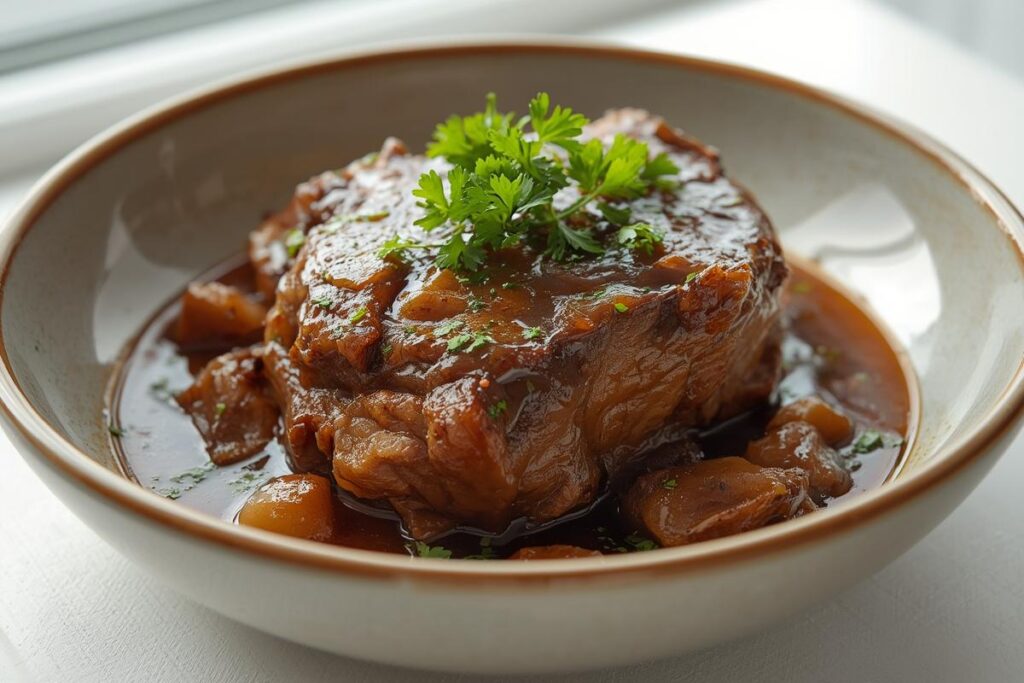
Transforming tough, budget-friendly beef cuts into tender, succulent meals is entirely possible with the right techniques. This guide will reveal Smartly-approved methods to ensure every bite is bursting with flavor, saving you money without ever sacrificing taste or texture.
Table of Contents
The Roast That Refused to Yield
I remember one Sunday afternoon, bright-eyed and bushy-tailed after a fruitful trip to our local farmers’ market, I was convinced I had snagged the perfect chuck roast. It looked gorgeous, promised a comforting meal, and I had visions of fork-tender beef. Fast forward three hours, and what emerged from the oven was… well, let’s just say it was less “melt-in-your-mouth” and more “chew-until-your-jaw-aches.” My family, bless their hearts, tried to be polite, but the struggle was real. That experience, though a bit disheartening at the time, ignited a mission in me: to truly understand how to tenderize even the most stubborn cuts of beef. I was determined to turn those economical, often-overlooked cuts into culinary triumphs, not just for my own kitchen, but for yours too!
The Problem: Why Some Beef Cuts Are So Stubborn
You’ve probably encountered it before: a perfectly cooked piece of beef that, despite your best efforts, remains stubbornly chewy. It’s not you, it’s the beef! Or, more accurately, the anatomy of the beef cut itself. Understanding why some cuts are tough is the first step to conquering them.
Understanding Muscle Fibers and Connective Tissue
Beef, at its core, is muscle. And just like our muscles, beef muscles are made of fibers. Cuts from areas of the animal that get a lot of exercise – think legs, shoulders, and rump – have shorter, tougher muscle fibers and a higher concentration of connective tissue, primarily collagen. Collagen is a protein that provides structure, but when heated improperly, it contracts and squeezes out moisture, making the meat tough and dry. The magic happens when you break down or convert this collagen into gelatin, which gives meat that desirable melt-in-your-mouth texture.
Common Budget Cuts Prone to Toughness (And Why We Love Them Anyway!)
The good news? The cuts with the most connective tissue are often the most affordable and, when treated right, the most flavorful! These are the unsung heroes of the butcher shop, waiting for their moment to shine. We’re talking about cuts like top round, bottom round, chuck roast, flank steak, and rump roast. They might demand a little more kitchen savvy, but their rich, beefy flavor and budget-friendly price tags make them absolute winners for hearty, satisfying meals.
The Hack: Smartly-Approved Tenderizing Techniques
This is where the fun begins! We’re diving into the tried-and-true methods that turn that humble piece of tough beef into something truly spectacular. Think of these as your kitchen hack toolkit, ready to tackle any stubborn cut with confidence and creativity.
Physical Tenderizing: Breaking Down the Barriers
Sometimes, a little brute force (or rather, gentle persuasion) is all it takes to make a tough cut surrender its chewiness. These methods literally break up those tough muscle fibers and connective tissues before cooking even begins.
Mallet Magic: Pounding for Tenderness
This is probably the most common physical method, and incredibly satisfying! Using a meat mallet, you can pound thinner cuts like flank or round steaks. Place the beef between two pieces of plastic wrap to keep things tidy. Gently, but firmly, pound the meat evenly until it’s about ¼-inch thick. This process physically breaks down muscle fibers, making the meat more pliable and ensuring it cooks more evenly and quickly. It’s perfect for dishes where you want thin, tender pieces, like schnitzel or quick-seared steak.
Blade Tenderizers: The Needle Trick (Like Butcher Shops Use!)
If you’re serious about tenderizing, a blade tenderizer is a fantastic investment. These gadgets have dozens of tiny blades that pierce the meat, creating small channels that break up muscle fibers and allow marinades to penetrate deeper. Many butcher shops use commercial versions! It’s especially effective for thicker cuts that you want to remain fairly intact. Just be sure to clean it thoroughly after each use.
Scoring & Slicing: Preparing for Success
Even your knife can be a tenderizing tool! For cuts like flank or skirt steak, scoring the surface (making shallow, crosshatch cuts) helps to break some fibers and prevents the meat from curling during cooking. And the golden rule for serving any tough cut? Always slice against the grain! This shortens the muscle fibers, making each bite significantly more tender. You can often see the “grain” running in a particular direction on the meat; slice perpendicular to it.
Enzymatic Marinades: Nature’s Little Helpers
Now, let’s get scientific! Certain fruits contain natural enzymes that are incredibly effective at breaking down proteins in meat, acting like tiny, edible scissors. Just be careful not to over-marinate, or you might end up with mushy meat!
Pineapple & Papaya Power: The Bromelain and Papain Effect
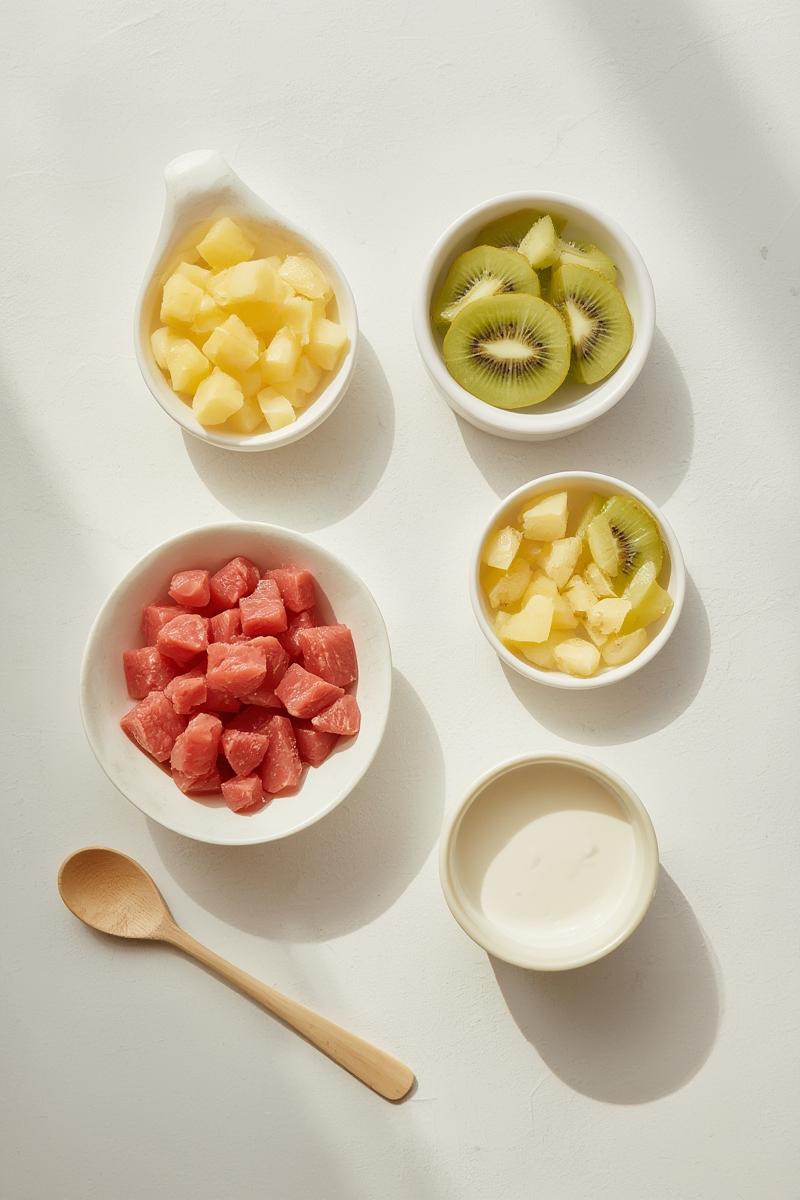
Pineapple contains bromelain, and papaya contains papain. Both are powerful proteolytic enzymes that actively break down protein fibers. A little fresh pineapple or papaya juice (or even a few slices mashed into a marinade) can work wonders in just 30 minutes to an hour. Keep an eye on it – these enzymes are potent!
Ginger & Kiwi: Surprising Tenderizers
Did you know ginger and kiwi also contain protein-digesting enzymes? Grated fresh ginger or a mashed kiwi fruit can be incorporated into marinades for a more subtle, yet effective, tenderizing action. These are great options if you’re looking for a less tropical flavor profile.
Homemade Marinade Recipe: Crafting Your Own Enzyme Blend
Here’s a simple enzymatic marinade to try:
- ¼ cup mashed fresh pineapple or kiwi (or grated ginger)
- 2 tablespoons soy sauce (for umami)
- 1 tablespoon olive oil
- 1 clove garlic, minced
- ½ teaspoon black pepper
Whisk together and marinate your beef (up to 1.5 lbs) for 30 minutes to 2 hours. This works beautifully for flank steak, perfect for tossing into a stir-fry or serving alongside a hearty one-pot creamy garlic butter steak pasta.
Acidic Marinades: The Tangy Softeners
Acids help tenderize meat by denaturing proteins, essentially unraveling them and allowing them to absorb more moisture. They also infuse fantastic flavor!
Vinegar & Citrus: The Classic Choices
Lemon juice, lime juice, red wine vinegar, or apple cider vinegar are all excellent acidic bases for marinades. They provide a lovely tang and contribute to breaking down those tough fibers. Marinate for a few hours, up to overnight, depending on the cut and strength of the acid. A splash of citrus in a quick marinade for skirt steak before grilling is a game-changer!
Yogurt & Buttermilk: Dairy’s Secret Weapon
Don’t overlook dairy! Yogurt and buttermilk contain lactic acid, which tenderizes more gently than stronger acids. They also add a lovely creaminess and act as a buffer, preventing the meat from becoming too acidic or mushy. This method is especially popular in many global cuisines and is wonderful for cuts like chicken, but also works wonders for beef stew meat. If you’re looking for other comforting meals, a low FODMAP chicken rice casserole uses a similar principle of gentle moisture!
Wine & Beer: Flavorful Tenderizing Agents
Both wine and beer offer acidity and an incredible depth of flavor. Red wine is a classic for beef marinades, lending rich, savory notes, while darker beers can provide a malty sweetness. They both contain compounds that help to break down tough fibers. Just remember to choose a wine or beer you’d enjoy drinking, as its flavor will concentrate in the meat!
Slow & Low Cooking: The Patience Play
Sometimes, the best tenderizer is time, heat, and moisture. This method is about slowly melting that tough collagen into luscious gelatin, resulting in incredibly rich, fall-apart tender meat.
Braising Brilliance: Converting Collagen to Gelatin
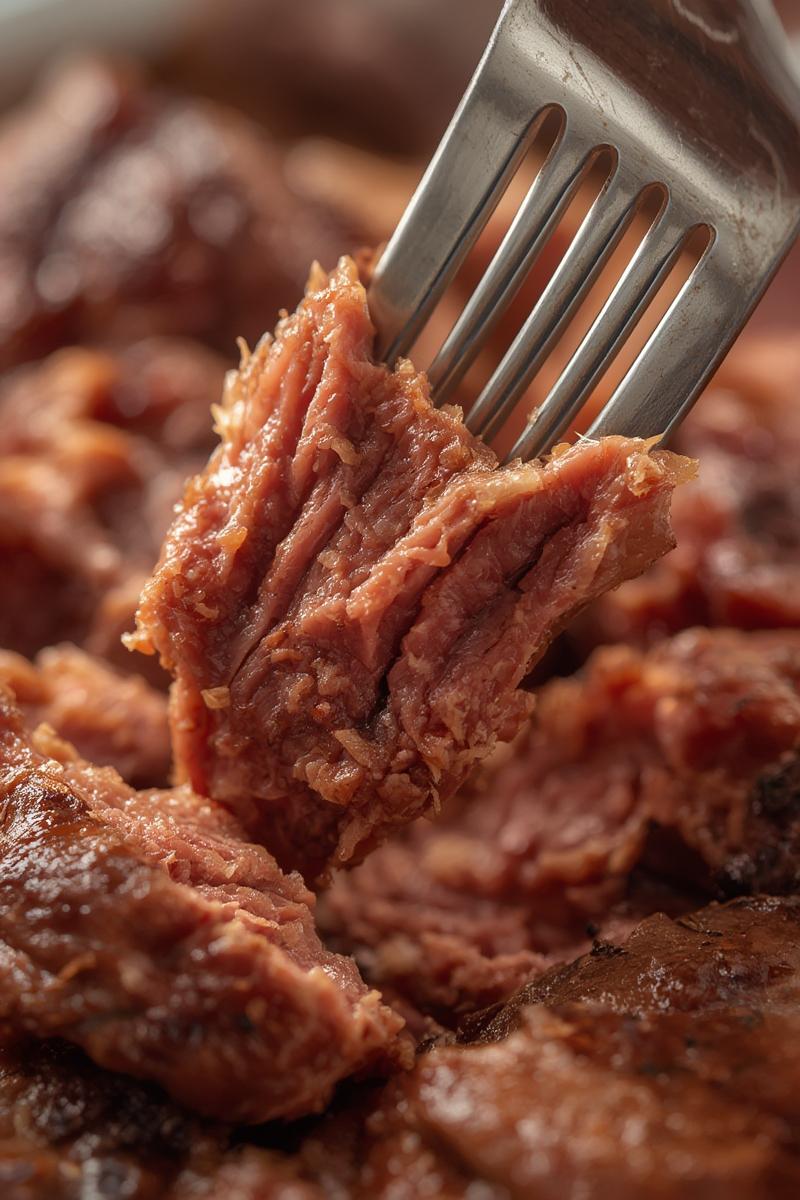
Braising involves searing your meat, then cooking it slowly in a flavorful liquid (like broth, wine, or even coffee!) in a covered pot, either on the stovetop or in the oven. This long, gentle heat, typically at lower temperatures, is collagen’s kryptonite. As the collagen breaks down, it transforms into gelatin, enriching the cooking liquid and making the meat unbelievably tender and succulent. Think pot roasts, beef bourguignon, or short ribs.
Stewing & Chili: Comfort in Every Bite
Similar to braising, stewing and making chili also rely on slow, moist heat to tenderize. Smaller, diced pieces of beef (like chuck or round stew meat) simmer for hours in a flavorful liquid with vegetables. This ensures every piece gets tender and soaks up all the delicious flavors, perfect for a cozy evening.
Pressure Cooking & Instant Pots: Speeding Up the Slow
For those times when patience isn’t a virtue you have in spades, the pressure cooker or Instant Pot is your best friend! These appliances achieve higher temperatures under pressure, drastically reducing cooking times while still achieving that glorious collagen-to-gelatin transformation. A tough chuck roast can become fall-apart tender in a fraction of the time it would take to braise.
Why It Works: The Science of Succulence
Now that we’ve covered the “how,” let’s quickly recap the “why” behind these powerful techniques. It’s all about understanding the meat and giving it what it needs.
Breaking Down Collagen: The Key to Melt-in-Your-Mouth Texture
Every method discussed, whether physical, chemical (enzymatic/acidic), or thermal (slow cooking), ultimately targets the same thing: collagen. Breaking it down or converting it to gelatin is the secret to tender, juicy beef. Without this, you’re left with chewy, tough meat.
Moisture Retention: Juiciness Guaranteed
Tenderizing isn’t just about texture; it’s also about juiciness. By breaking down the muscle fibers and connective tissue, meat can absorb and retain more moisture, leading to a much more succulent eating experience. Marinades, especially, help infuse liquids directly into the meat.
Flavor Infusion: Beyond Just Tenderness
Beyond texture, these methods also supercharge flavor. Marinades permeate the meat with aromatic ingredients, and slow cooking allows flavors to meld and deepen over time, creating a more complex and satisfying dish.
Budget-Friendly Cuts: Masterpieces on a Dime
Let’s talk specifics. Here are some tough cuts you can transform into incredible meals:
Top Round & Bottom Round: From Roasts to Steaks
These lean cuts are perfect for slow roasting, braising, or cutting into thinner steaks for pounding. A delicious top round roast, slow-cooked with root vegetables, can make for an impressive Sunday dinner.
Chuck Roast & Shoulder: The Braising Champions
The king of pot roasts and stews! Chuck has a great balance of meat and fat, which, when braised or pressure-cooked, becomes incredibly tender and flavorful. It’s also excellent for shredding for tacos or sandwiches.
Flank & Skirt Steak: Quick & Flavorful Fixes
These thin, flavorful cuts benefit immensely from marinades (enzymatic or acidic) and a quick sear. They are perfect for fajitas, stir-fries, or a speedy weeknight meal. Remember to slice against the grain!
Eye of Round: Perfect for Deli-Style Roasts
Very lean and prone to dryness if overcooked. Ideal for slow roasting at lower temperatures until medium-rare, then thinly slicing for roast beef sandwiches. Pounding or marinating before a quick sear also works for individual steaks.
Pro Tips for Perfect Beef Every Time
Beyond the specific techniques, a few universal principles will elevate your beef dishes.
Always Slice Against the Grain
I mentioned this before, but it bears repeating! Even if you’ve tenderized your meat perfectly, slicing with the grain can make it seem tough. Always identify the direction of the muscle fibers and slice perpendicularly.
Don’t Over-Marinate!
While marinades are fantastic, especially enzymatic ones, there’s a limit. Over-marinating, particularly with strong acids or enzymes, can turn your beautiful beef into a mushy, unappetizing mess. Follow recommended times and trust your instincts!
Rest Your Meat: The Final Touch
After cooking, let your beef rest before slicing. This allows the juices to redistribute throughout the meat, ensuring every bite is tender and succulent. For smaller cuts, 5-10 minutes is usually enough; for larger roasts, 15-20 minutes.
Temperature Matters: Internal Doneness for Tenderness
While tenderizing methods help, don’t forget about internal temperature. Overcooking lean cuts will dry them out, making them tough, regardless of tenderizing. Use a meat thermometer for accuracy. You can always whip up a delicious breakfast, like fluffy keto pancakes, while your beef rests!
Say Goodbye to Chewy! Your Kitchen Hack Toolkit Awaits
Armed with these Smartly-approved techniques, you’re now ready to tackle any tough beef cut with confidence and creativity. There’s no need to shy away from those budget-friendly options at the market any longer! Embracing these methods will not only save you money but also open up a world of incredibly flavorful, tender beef dishes that will impress everyone at your table. Remember to freeze any leftover marinade for future use to reduce waste, or blend it into a flavorful sauce if it was enzyme-free!
I’d love to know which tenderizing technique becomes your go-to! Did you try an enzymatic marinade, or perhaps brave a big braise? And did you add your own twist to any of these ideas?