

The familiar sound of the refrigerator humming on a Tuesday evening often accompanies a sigh as I stare into its depths, wondering what magic I can conjure up with tired hands and even tireder inspiration. It’s a universal weeknight dilemma: how to create something genuinely delicious and nourishing without succumbing to an avalanche of pots and pans or the siren call of another takeout menu. This challenge is precisely what makes the sheet pan method a revelation, transforming my kitchen from a stress zone into a haven of efficiency and flavor.
Table of Contents
The Weeknight Kitchen Conundrum: Too Much Fuss, Too Little Time
We’ve all been there: the clock ticks relentlessly towards dinner, your energy wanes, and the thought of dirtying multiple pots and pans feels utterly overwhelming. What begins as a hopeful intention for a home-cooked meal often spirals into a quick delivery order or a repetitive, uninspired dish. It’s a cycle that zaps the joy out of cooking and leaves us feeling more exhausted than satisfied.
The Endless Cycle of Takeout & Meal Prep Burnout
There’s a subtle dread that creeps in when you realize you’re staring down another week of culinary obligations, with little time or enthusiasm. The convenience of takeout is tempting, but the cost, and sometimes the quality, quickly add up. On the other hand, elaborate meal prep sessions, while effective for some, can feel like another job after a long day, leading to burnout before you even reach Wednesday.
The Cleanup Dread: Pots, Pans, and Piles of Dishes
For many, the actual cooking is only half the battle; the cleanup is the true villain. A culinary adventure can quickly turn into a sink full of soaking, scrubbing, and stacking. The sheer volume of dishes needed for a multi-component meal can be enough to deter even the most enthusiastic home chef from stepping into the kitchen.
Flavor Fatigue: Stuck in a Rut with the Same Old Meals
Cooking the same few dishes on repeat is an easy trap to fall into, especially when time is short and creativity is low. While comfort food is wonderful (and sometimes that means a simple cheesy ground beef and potato casserole), a steady diet of repetition can lead to “flavor fatigue,” leaving us craving something new and exciting but without the know-how or motivation to explore.

Sheet Pan Meals: Your Ultimate Kitchen Hack for Effortless Dinners
Imagine a world where dinner comes together with minimal fuss, maximum flavor, and a cleanup so swift you might actually have time for that evening walk. That world isn’t a fantasy; it’s the reality of sheet pan cooking. This simple yet brilliant technique is a cornerstone of modern home cooking, designed to simplify your life without sacrificing an ounce of taste or nutrition.
What Exactly is Sheet Pan Cooking?
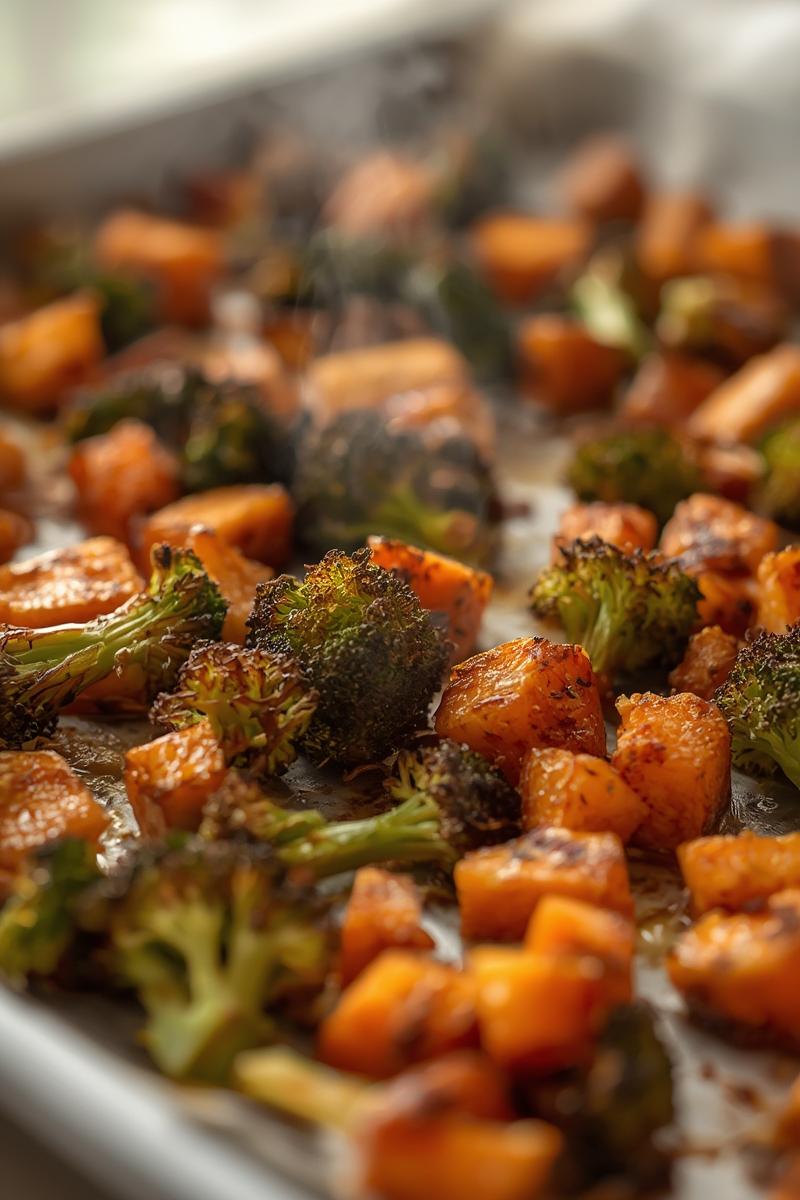
At its heart, sheet pan cooking is exactly what it sounds like: preparing an entire meal—protein, vegetables, and sometimes even starches—on a single baking sheet. Everything roasts together in the oven, allowing the flavors to meld beautifully while you enjoy some hands-off cooking time. It’s a method that embraces high heat, caramelization, and the delightful crisp edges that only roasting can provide.
Why It’s a Game-Changer for Busy Households
This isn’t just a trend; it’s a culinary philosophy shift. Sheet pan meals are a game-changer because they offer unparalleled convenience. They dramatically cut down on prep time, consolidate cooking into one vessel, and most importantly, they make cleanup almost an afterthought. For anyone juggling work, family, or just the demands of daily life, this method is a godsend, proving that delicious, healthy meals don’t have to be complicated.
Mastering the Sheet Pan: A Step-by-Step Guide to Culinary Freedom
Ready to unlock a new level of kitchen confidence? Mastering sheet pan meals is all about understanding a few fundamental principles. Think of this as your culinary passport to creative, adaptable, and utterly delicious dinners, every single night.
Step 1: Choose Your Protein (Timing is Everything)
The foundation of any great sheet pan meal begins with your protein. From succulent chicken thighs to flaky fish fillets or hearty plant-based options, the choice is yours. The key here is considering cooking times. You want everything to finish roasting around the same moment.
Quick-Cooking vs. Slow-Cooking Proteins
- Quick-Cookers: Thinly sliced chicken breast, shrimp, fish fillets (like salmon or cod), sausage, pre-cooked meatballs, or even halloumi cheese work wonderfully and usually need 12-20 minutes.
- Slow-Cookers: Bone-in chicken pieces, denser cuts of pork, or heartier tofu blocks might need a head start. You can roast these for 15-20 minutes alone before adding faster-cooking vegetables to the pan. For example, if I’m making a loaded potato meatloaf, I’d consider how long the potatoes need compared to the meatloaf itself if I were to adapt it to a sheet pan.
Step 2: Select Your Veggies (The Art of Uniform Chopping)
This is where the colors and textures truly shine! Any vegetable can be a sheet pan star, but proper preparation is crucial for even cooking. Uniformity in size is your best friend here – it ensures everything cooks through simultaneously and prevents some pieces from burning while others remain raw.
Root, Cruciferous, & Soft Vegetables: Best Practices
- Root Vegetables (Potatoes, Carrots, Sweet Potatoes): These are dense and take the longest to cook. Cut them into 1-inch cubes or wedges. They often benefit from a head start in the oven before adding quicker-cooking items.
- Cruciferous Vegetables (Broccoli, Cauliflower, Brussels Sprouts): Chop these into florets or halves. They roast beautifully, developing sweet, nutty flavors and crispy edges.
- Soft Vegetables (Bell Peppers, Zucchini, Asparagus, Cherry Tomatoes, Onions): These cook relatively quickly. Add them about halfway through the cooking time for denser proteins and roots, or right from the start if paired with quick-cooking proteins.
Market Note: When choosing root vegetables like sweet potatoes or carrots, look for firm, unblemished produce. For asparagus, snap a spear; if it breaks cleanly, it’s fresh!
Step 3: The Flavor Foundation – Oils, Seasonings & Marinades
This step is where you inject personality into your meal! Don’t be shy with your flavors. A good coating of fat helps with browning and prevents sticking, while seasonings elevate everything.
Simple Spice Blends vs. Punchy Marinades
- Simple Spice Blends: Olive oil, salt, black pepper, garlic powder, onion powder, paprika, and dried herbs (oregano, thyme, rosemary) are your everyday heroes. Toss everything together right on the pan or in a large bowl.
- Punchy Marinades: For an extra layer of flavor, marinate your protein for at least 30 minutes, or even overnight. Think lemon-garlic for chicken or fish, soy-ginger for tofu, or a spicy chili-lime blend for shrimp. Just ensure your marinade isn’t too wet, as excess liquid can steam rather than roast.
- Don’t Forget the Acid! (Lemon, Vinegar, etc.): A squeeze of lemon juice or a splash of apple cider vinegar after roasting brightens all the flavors. It’s like a secret weapon for making everything pop.
Step 4: Arrange & Roast (Optimal Oven Temperatures & Crowding Prevention)
This is where the magic happens. A properly arranged pan is key to crispy, delicious results.
The Power of Parchment Paper for Easy Cleanup
Always line your sheet pan with parchment paper or a silicone baking mat. This isn’t just for easy cleanup (though it’s a huge bonus!); it also helps prevent sticking and promotes even browning. Roast most sheet pan meals at a higher temperature, typically between 400°F and 425°F (200°C and 220°C), to achieve that desirable crispy exterior and tender interior.
Step 5: Finishing Touches & Serving (Fresh Herbs, Sauces, Grains)
Once everything is gloriously roasted and fragrant, don’t just dump it on a plate! A few simple finishing touches can elevate your sheet pan meal from good to gourmet.
- Fresh Herbs: A sprinkle of fresh parsley, cilantro, dill, or chives adds vibrant color and a burst of fresh flavor.
- Sauces: A drizzle of pesto, a dollop of Greek yogurt, a squeeze of sriracha mayo, or a spoonful of chimichurri can tie all the flavors together beautifully.
- Grains: While the sheet pan handles the main components, serving your meal over fluffy quinoa, brown rice, or a simple couscous can make it a more complete and satisfying dinner.
Kitchen Reality Check: Don’t Panic if Things Look Shaggy! When you first toss your veggies and protein with oil and spices, they might look a little… unphotogenic. Especially if you’re mixing different textures. Don’t worry! That initial shaggy appearance transforms into golden, caramelized deliciousness in the oven. Just ensure everything is coated and spread out, and trust the process. Even if some pieces look a bit wonky, they’ll still taste wonderful!
The Magic Behind the Method: Why Sheet Pan Cooking Just Works
It’s not just about convenience; there’s real culinary science at play that makes sheet pan meals so irresistible. Understanding these underlying principles will help you appreciate the magic even more and empower you to create your own combinations with confidence.
The Maillard Reaction: Unlocking Deep Flavors with Roasting
The secret to the incredible depth of flavor in roasted foods lies in the Maillard reaction. This chemical process, which occurs when amino acids and reducing sugars react at high temperatures, creates hundreds of new flavor compounds. It’s responsible for the beautiful browning, the nutty aromas, and the rich, complex tastes that make roasted vegetables and proteins so utterly delicious. The open, hot environment of a sheet pan in the oven provides the perfect conditions for this reaction to flourish.
Minimal Cleanup: One Pan to Rule Them All
This is perhaps the most celebrated practical advantage. By consolidating all your cooking to a single sheet pan (lined, of course!), you drastically reduce the number of dishes you’ll have to wash. This isn’t just about saving time; it’s about reducing stress and making cooking feel less like a chore and more like the enjoyable experience it should be. Who wouldn’t want to conquer the kitchen with just one pan?
Nutrient Retention: Roasting for Health & Wellness
Roasting is a fantastic way to cook vegetables because it often preserves more nutrients compared to boiling or steaming, which can leach water-soluble vitamins. The relatively quick cooking time at high heat, combined with minimal added water, helps to lock in those beneficial vitamins and minerals, ensuring your healthy meal stays truly healthy.
Ultimate Versatility: Adapt to Any Diet or Taste Preference
One of the most remarkable aspects of sheet pan cooking is its incredible adaptability. Whether you’re vegetarian, gluten-free, low-carb, or simply have picky eaters, the sheet pan method can be tailored to suit. Simply swap out proteins, experiment with different vegetables, or adjust your seasonings to match any dietary need or flavor craving. It’s truly a choose-your-own-adventure approach to dinner.
Endless Sheet Pan Meal Combinations: Inspiration for Every Palate
The beauty of sheet pan meals is in their endless possibilities. Think of these combinations as springboards for your own culinary adventures. Don’t be afraid to mix, match, and invent!
Classic Comfort: Chicken Sausage, Bell Peppers & Onions
A simple, satisfying combination that’s perfect for a chilly evening. Slice chicken or turkey sausage, colorful bell peppers, and red onion into uniform pieces. Toss with olive oil, smoked paprika, dried oregano, salt, and pepper. Roast until the sausage is browned and the veggies are tender-crisp.
Mediterranean Medley: Salmon, Asparagus & Cherry Tomatoes
Light, fresh, and bursting with flavor. Lay salmon fillets on one side of the pan. On the other, toss asparagus spears and cherry tomatoes with olive oil, garlic, dried dill, and a squeeze of lemon. Everything cooks beautifully together, yielding flaky fish and vibrant veggies.
Plant-Powered Perfection: Tofu, Broccoli & Sweet Potatoes
For a hearty vegetarian option, cube firm tofu (press it first!), broccoli florets, and sweet potato chunks. Toss with a mixture of soy sauce, a touch of maple syrup, ginger, and sesame oil. The tofu gets wonderfully crispy, and the vegetables caramelize beautifully.
Global Flavors: Shrimp, Bok Choy & Ginger-Garlic Sauce
Transport your taste buds! Toss shrimp, chopped bok choy, and sliced mushrooms with a quick marinade of soy sauce, grated fresh ginger, minced garlic, and a dash of rice vinegar. This cooks in a flash, delivering a vibrant, Asian-inspired meal.
Breakfast for Dinner: Eggs, Potatoes & Bacon/Veggie Hash
Who says sheet pans are just for dinner? Roast diced potatoes, onions, and bell peppers (and maybe some chopped bacon or a plant-based sausage) until tender. Then, crack a few eggs directly onto the pan and continue roasting until the whites are set and yolks are to your liking. A sprinkle of cheese at the end is always welcome!
Pro Tips for Sheet Pan Mastery
While the concept is simple, a few insider tricks can take your sheet pan game from good to absolutely fantastic. These are the lessons I’ve learned through countless experiments in my own kitchen, often accompanied by a happy mess!
Don’t Crowd the Pan! (Airflow is Key to Crispy Results)
This is probably the most crucial tip. If you pile too many ingredients onto one sheet pan, they’ll steam instead of roast. This leads to soggy, lackluster results rather than beautifully browned, crispy textures. When in doubt, use two pans! Give everything space to breathe, and you’ll be rewarded with superior texture and flavor.
Pre-Heating Your Pan for a Head Start
For an extra boost of crispiness, especially for potatoes or other root vegetables, try preheating your sheet pan in the oven for about 5-10 minutes before adding your ingredients. When the food hits that hot surface, it immediately starts to sear and caramelize, preventing sticking and speeding up the browning process.
The Secret to Perfect Potatoes: Soaking & Drying
If you’re aiming for truly crispy roasted potatoes, here’s a trick: after chopping, soak them in cold water for 15-30 minutes. This removes excess starch. Then, and this is vital, dry them thoroughly with a clean kitchen towel or paper towels before tossing with oil and seasonings. Less moisture means more crispiness!
Batch Cooking & Meal Prepping with Sheet Pans
Sheet pans are ideal for meal prep. Roast a larger batch of protein and vegetables at the beginning of the week, then divide them into individual containers for easy, healthy lunches or dinners. They reheat beautifully and save you precious time during busy weekdays.
Cleaning Your Sheet Pans Like a Pro
Even with parchment paper, sometimes things get stuck. For stubborn baked-on bits, fill the pan with hot water and a squirt of dish soap, let it sit for an hour or two (or overnight), then scrub. For really tough spots, a paste of baking soda and a little water, left to sit, works wonders before scrubbing. Keep those pans looking sparkling!
Sustainability Tip: Don’t toss those woody ends of asparagus or broccoli stalks; save them for vegetable stock, or finely dice and add to a stir-fry or soup base.
Your Effortless Weeknights Start Now
Embrace the Simplicity, Savor the Flavor
Stepping into the kitchen no longer needs to feel like a daunting task. With the power of sheet pan cooking, you’re not just making dinner; you’re reclaiming your weeknights, simplifying your routine, and rediscovering the joy of creating delicious, wholesome meals with ease. This method empowers you to be flexible, creative, and confident, even on the busiest of days.
So, pull out your largest sheet pan, raid your fridge for whatever colorful veggies you have on hand, and let your oven do the heavy lifting. Embrace the beautiful browning, the aromatic spices, and the sheer pleasure of a meal that delivers on taste with minimal fuss. Your weeknights—and your dishes—will thank you! You can find more inspiration for modern twists on classics at Smartly Recipes.
I’m always curious to see what wonderful combinations you come up with! What’s your go-to sheet pan protein, and what unexpected veggie do you love to roast alongside it? I’d absolutely love to know if you added your own twist to any of these ideas!
“`