
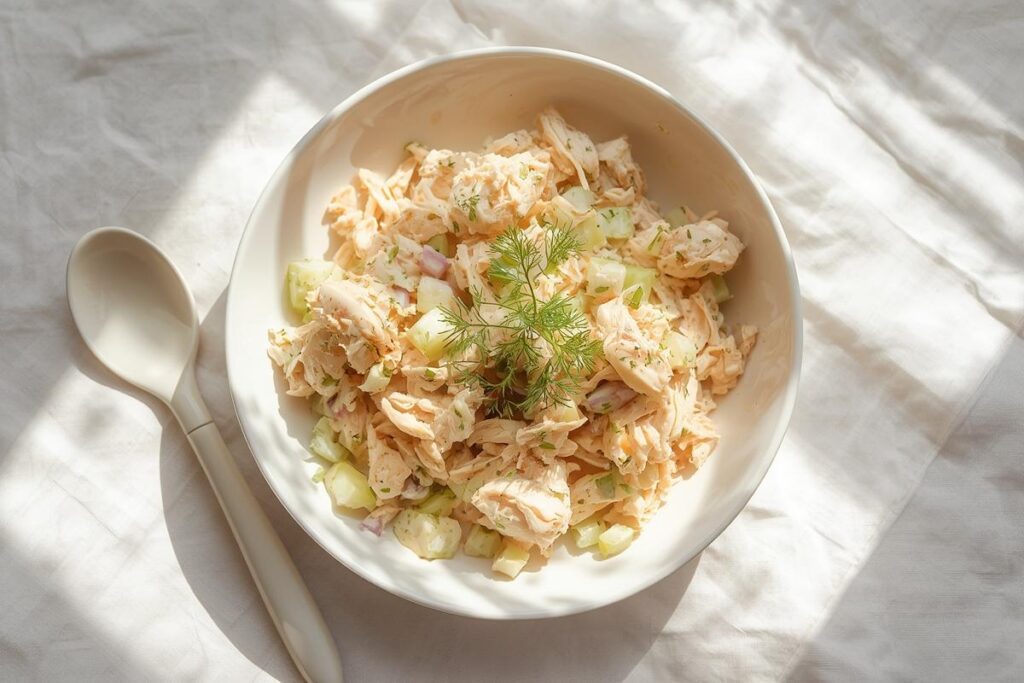
Dealing with stubbornly dry, overcooked chicken can feel like a kitchen defeat. This guide offers practical, empathetic strategies to rescue that seemingly lost meal, transforming a culinary mishap into a delicious triumph. You’ll learn exactly how to bring moisture back and creatively repurpose those tough bites into something wonderful.
That Moment of Dread: When Chicken Goes Sideways
My Own Kitchen Calamity: The Tale of the Rubber Chicken
Just last month, I had a particularly ambitious Sunday dinner planned. My family was coming over, and I envisioned perfectly roasted chicken with vibrant root vegetables. The aromas were glorious as it cooked, filling my kitchen with comforting warmth. I got distracted chatting with my sister, who’d arrived early, and next thing I knew, the timer had screamed its last few seconds long ago. I pulled the chicken from the oven, and even before I cut into it, I could tell. That tell-tale tightness, the slight rubbery sheen. My heart sank. It was dry. Really, really dry. We’ve all been there, right? That moment of culinary despair when your beautiful bird resembles a forgotten shoe sole. But rather than tossing it, I decided to improvise, and that’s the magic I want to share with you today.
Recognizing the Signs of Overcooked Chicken
You don’t always need to cut into the chicken to know it’s overdone. Often, the surface might look shrunken or tougher than expected. When you do slice it, the meat will be stringy, very white (lacking any pink hue, which is good, but past just-cooked), and difficult to chew. It won’t have that juicy give, but rather a firm, almost squeaky texture. If it’s already on your plate, you’ll know by the lack of tenderness and the way it stubbornly resists your fork.
Why Did This Happen? The Usual Suspects Behind Dry Chicken
Understanding why chicken becomes dry is the first step to both rescuing it and preventing future incidents. Often, it’s a combination of factors.
Temperature Troubles: Too Hot, Too Long
This is the most common culprit. Cooking chicken at too high a temperature, or for too long, causes the muscle fibers to contract excessively and squeeze out all their internal moisture. Think of it like wringing out a sponge; the longer it’s compressed, the drier it gets.
Lean Cuts & Their Vulnerability
Chicken breasts, being incredibly lean, are particularly prone to drying out. They have very little fat to protect them during cooking, unlike fattier cuts like thighs or drumsticks, which tend to be much more forgiving.
The Perils of Poking and Prodding
Every time you poke your chicken with a fork or cut into it to check for doneness, precious juices escape. This is especially true if you do it multiple times throughout the cooking process. Patience truly is a virtue in the kitchen!
Forgetting the Rest: Why It’s Crucial
Once chicken comes out of the oven or off the heat, it needs time to rest. During this period, the muscle fibers relax, allowing the juices that have migrated to the center to redistribute throughout the meat. If you cut into it immediately, those juices will just run out onto your cutting board, leaving you with a drier piece of chicken, even if it was perfectly cooked.
Immediate SOS: Bringing Moisture Back to Life
Now, for the rescue mission! Don’t despair, even the most stubbornly dry chicken can find a second life.
The Quick Fix: Broth Bath & Gentle Heat
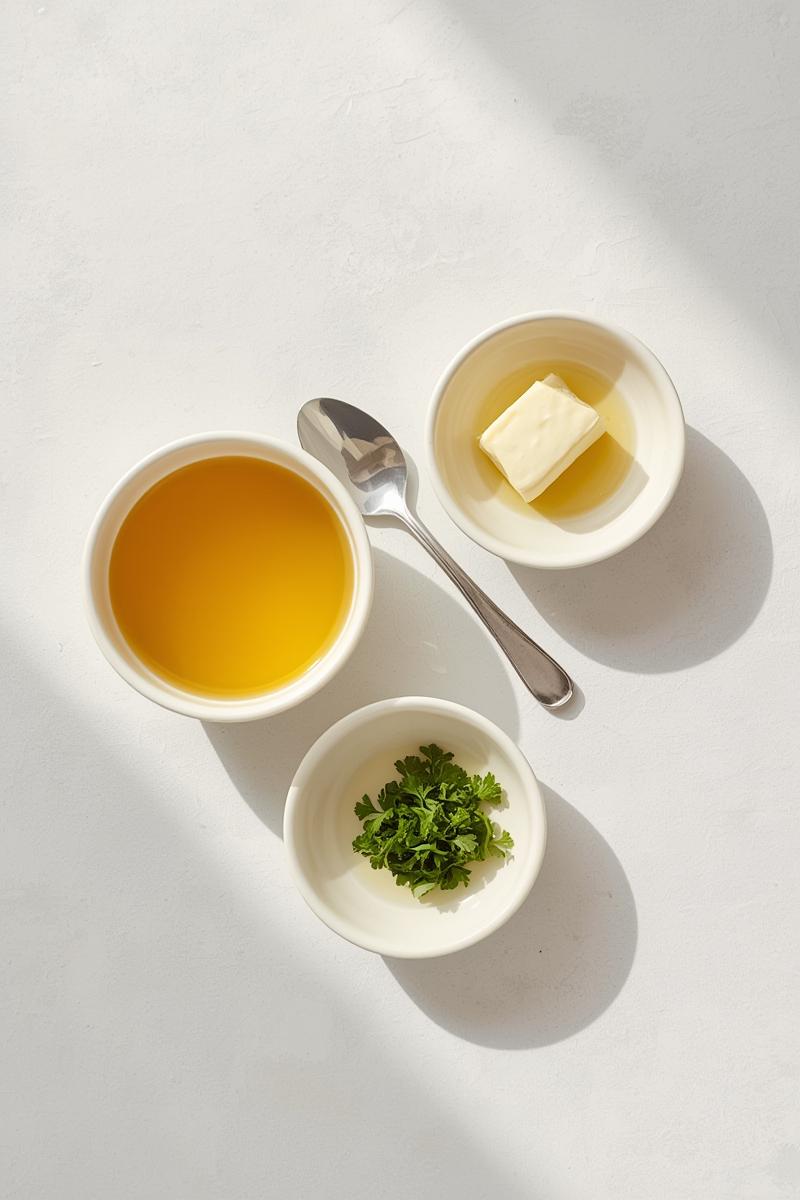
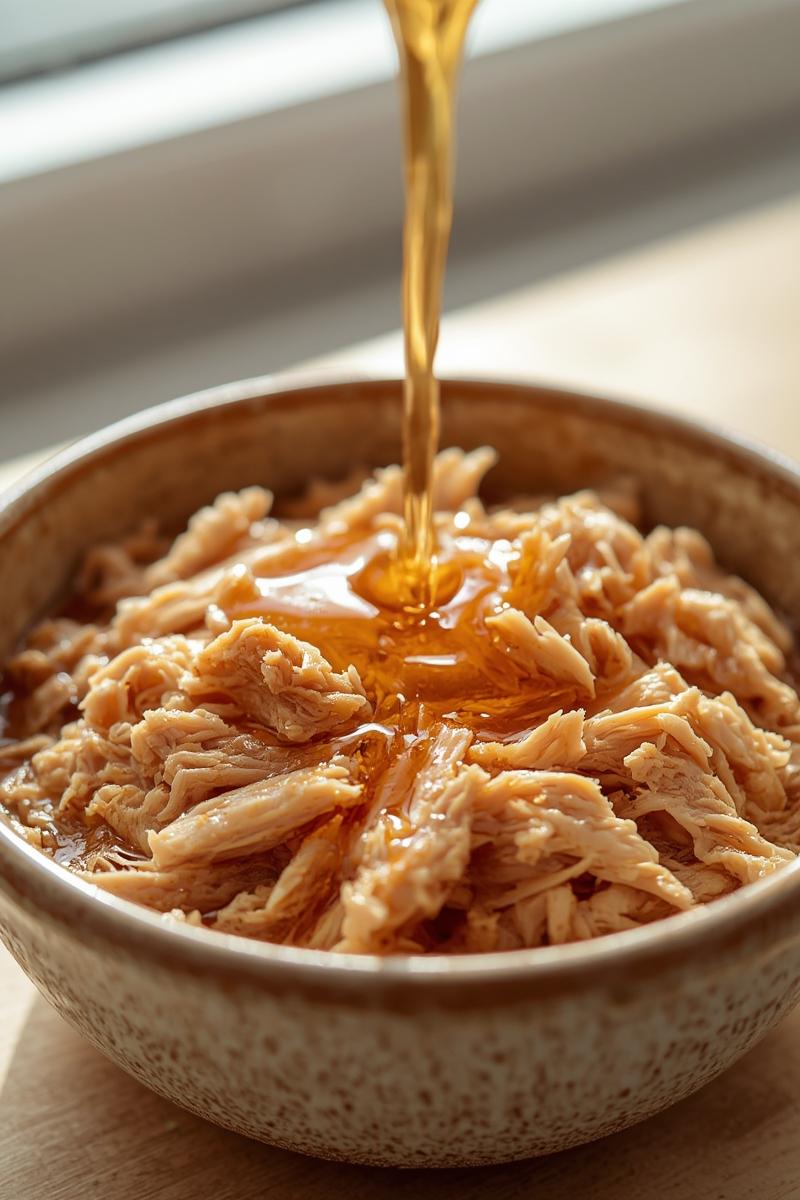
The most straightforward way to reintroduce moisture is a gentle bath. Shred or dice your overcooked chicken. Place it in a skillet or saucepan with a generous splash of warm chicken broth (or even water, if you’re in a pinch, but broth adds flavor!). Simmer it very gently over low heat for just 5-10 minutes, stirring occasionally, until the chicken has absorbed some of the liquid and feels more tender. You’re not cooking it further, just hydrating it. For other kitchen essentials that can make quick fixes easier, check out our guide to 7 Essential Gluten-Free Pantry Staples.
Creamy Cover-Ups: Sauces to the Rescue
Sometimes, the best solution is a delicious disguise! Toss your shredded or diced chicken in a flavorful, creamy sauce. Think a rich alfredo, a silky mushroom sauce, or even a simple béchamel. The sauce coats the chicken, adding much-needed moisture and masking any lingering dryness.
Shredding for Success: Maximizing Surface Area for Moisture Absorption
This is one of my favorite improvisations! Shredding the chicken, either with two forks or even a stand mixer (my go-to shortcut!), creates more surface area. This means more places for sauces, broths, or even a simple dressing to cling to and be absorbed, making the chicken feel much more succulent.
A Touch of Fat: Butter or Oil Infusion
Fat is flavor, and fat is moisture. Melt a tablespoon of butter or a drizzle of olive oil in a pan, then add your shredded chicken. Stir it gently to coat. The fat helps to lubricate the chicken fibers, making them feel less dry and adding a richness that was missing.
Kitchen Reality Check
Even when you’re rescuing, things can feel a little uncertain! If your chicken still feels a bit resistant after its broth bath, don’t panic. You’re not aiming for perfectly juicy from scratch chicken, but rather a pliable, flavorful base for your next meal. Keep those gentle heat and sauce techniques in mind; sometimes it just needs a little more love.
Beyond the Fix: Transforming Tough Bites into Delicious New Dishes
The true triumph comes when you repurpose that rescued chicken into something entirely new and wonderful. This is where your creativity shines!
Savory Chicken Salads & Wraps
Shredded, rehydrated chicken is perfect for a classic chicken salad. Mix it with mayonnaise, celery, red onion, a touch of mustard, and fresh herbs. Serve it in lettuce cups, sandwiches, or alongside some crisp crackers. So simple, so satisfying! For more ideas to inspire your cooking adventures, you can always browse the recipes at Smartly Recipes.
Comforting Soups & Stews
Dry chicken is practically begging to be simmered in a hearty soup or stew. The long, gentle cooking in liquid will continue to rehydrate and tenderize it. Think a creamy chicken noodle soup, a robust chicken and vegetable stew, or a vibrant tortilla soup.
Flavorful Casseroles & Bakes
Casseroles are incredibly forgiving. Combine your rescued chicken with pasta, rice, vegetables, and a creamy sauce (like a mushroom or cheese sauce), then bake until bubbly and golden. The moisture from the other ingredients and the sauce will infuse the chicken.
Taco Night Redemption: Shredded Chicken Fillings
Taco night is always a hit, and shredded chicken makes a fantastic filling. Simmer your rehydrated chicken in a pan with some salsa, taco seasoning, and a splash of broth. The chicken will absorb all those vibrant flavors and become wonderfully tender for your tacos, burritos, or enchiladas.
Quick & Easy Chicken Patties or Fritters
Mince your rescued chicken finely and mix it with a binder like an egg and breadcrumbs, along with your favorite herbs and spices (think a touch of paprika, garlic powder, or finely chopped parsley). Form into small patties and pan-fry until golden. Serve with a dollop of yogurt sauce or a fresh salad for a quick weeknight dinner.
Never Again! Pro Tips for Perfectly Juicy Chicken Every Time
While rescuing is empowering, preventing dryness in the first place is even better! Here are my favorite tips for consistently juicy chicken.
Mastering the Meat Thermometer
This is your secret weapon! The only way to truly know when chicken is done (without overcooking) is to check its internal temperature. For chicken breast, aim for 165°F (74°C) at its thickest part. Remove it from the heat just before it hits this, as carryover cooking will take it the rest of the way.
Brining for Beginners: A Game-Changer
Brining is a simple technique that works wonders, especially for lean chicken breasts. Soaking chicken in a saltwater solution for 30 minutes to a few hours before cooking helps the meat absorb moisture, making it much more tender and forgiving during cooking. When picking up your chicken at the market, look for plump, firm breasts with good color—they respond best to brining!
Choosing the Right Cooking Method for Moisture Retention
Different methods yield different results. Pan-searing quickly to develop a crust, then finishing in the oven, can prevent drying. Poaching or slow-cooking in liquid are also excellent ways to ensure juicy results, especially for shredding.
Resting Your Bird: The Unsung Hero
I can’t emphasize this enough! Always, always let your chicken rest after cooking. Tent it loosely with foil for 5-10 minutes (for smaller cuts like breasts) or 15-20 minutes (for a whole bird). This allows the juices to redistribute, leading to a much more tender and moist result.
The Art of the Marinade
Marinating chicken, especially with acidic ingredients like lemon juice, yogurt, or vinegar, helps to tenderize the meat and infuse it with flavor. Oil in marinades also helps to protect the chicken from drying out during cooking.
Your Chicken Redemption Story Starts Now
Every cook, no matter how experienced, faces kitchen hiccups. The real joy of home cooking lies not just in the perfect dishes, but in the ingenuity and resilience to turn a challenge into something new and delicious. Don’t let a dry piece of chicken get you down; embrace the opportunity to transform it!
Next time you find yourself with overcooked chicken, remember these strategies and confidently bring it back to life. Think about using any extra broth from your rescue mission to water your houseplants – they love a nutrient boost! I’d love to know what delicious twists you come up with to save your chicken. Did you create a spicy stir-fry, a savory pot pie, or something completely unexpected? Share your culinary triumphs with me! And if you’re looking for another delightful project, perhaps a sweet treat for dessert, you might enjoy our Viral TikTok Chocolate Bark.