
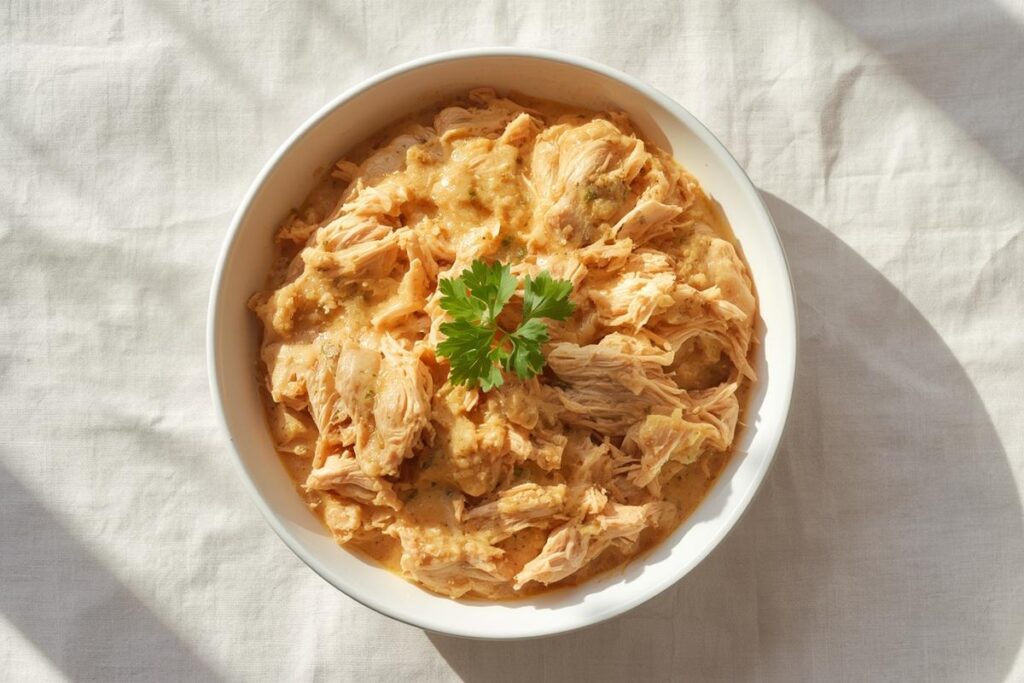
Transforming an overcooked chicken breast from a kitchen disappointment into a delicious meal is entirely possible. This guide offers practical, empowering strategies to rescue dry poultry, ensuring no good food goes to waste. You’ll discover how to infuse moisture and flavor back into what might seem like a lost cause.
Table of Contents
The Universal Kitchen Heartbreak: My Dry Chicken Breast!
My Own Chicken Catastrophe Confession
I distinctly remember a Saturday evening, prepping for a cozy dinner with friends, when I pulled a batch of “perfectly roasted” chicken breasts from the oven. The golden-brown exterior promised so much, but a quick slice revealed the devastating truth: it was drier than a desert boot. My heart sank. Here I was, a passionate home cook, and I’d managed to turn a perfectly good piece of poultry into something… well, less than inspiring. We’ve all been there, right? That moment of culinary despair when you realize you’ve overshot the mark.
You’re Not Alone: Common Dry Chicken Scenarios
Whether it’s a distracted weeknight dinner, a new oven playing tricks, or simply misjudging the timing, ending up with dry chicken breast is one of the most common kitchen predicaments. It happens to the best of us – from the seasoned chef to the weekend warrior. Perhaps you were aiming for a quick sear, but got caught up answering an email, or maybe your broiler decided to be extra enthusiastic today. The result is the same: a texture that’s tough and a flavor that’s, shall we say, muted. But here’s the good news: a dry chicken breast isn’t a lost cause. It’s an invitation to get creative!
Decoding the Dryness: What Went Wrong?
Overcooking: The #1 Culprit
The primary reason for dry chicken is almost always overcooking. Chicken breast is incredibly lean, meaning it has very little fat to protect it from drying out. When cooked beyond its ideal internal temperature (165°F or 74°C), the muscle fibers contract too tightly, squeezing out all the precious moisture. Think of it like a sponge – once it’s completely wrung out, it’s hard to get it plump again.
Lack of Brine or Marinade
Sometimes, the dryness isn’t just about overcooking, but about starting with a disadvantage. Skipping a brine or marinade means the chicken goes into the pan or oven without a moisture buffer or an extra layer of flavor. These preparatory steps help the chicken retain moisture and can even break down some muscle fibers for a more tender result.
Uneven Cooking & Temperature Troubles
Unevenly thick chicken breasts can lead to parts being cooked perfectly while others become arid. Similarly, an oven that runs hot, or a pan that isn’t at the right temperature, can cause the exterior to burn while the interior struggles to cook, or conversely, dry out before the outside gets a chance to brown properly.
The Lean Breast Problem: Low Fat, High Risk
Unlike fattier cuts like chicken thighs, breasts are naturally low in fat. While great for certain dietary preferences, this characteristic makes them more susceptible to drying out quickly. There’s less internal fat to render and keep the meat moist, making precision cooking even more crucial.
Operation: Rescue Dry Chicken Breast – From Bland to Brilliant
Adding Moisture Back: Sauces & Braising
The first rule of rescue club is to reintroduce moisture. Dry chicken yearns for a loving bath of liquid, and there are several fantastic ways to provide it.
Shredding & Soaking: Quick Fixes
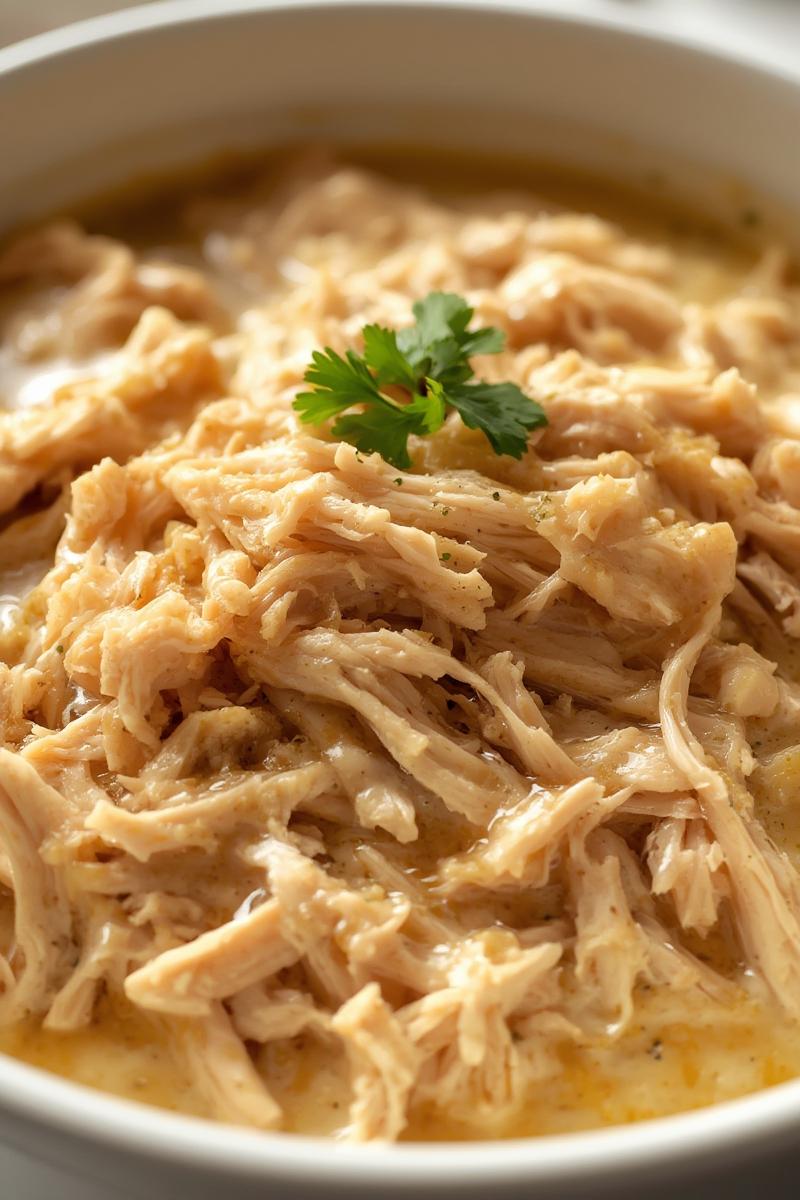
For immediate relief, shred your dry chicken finely. The smaller pieces have more surface area, making them perfect for soaking up flavor. Toss the shredded chicken into a warm, flavorful liquid – think a robust chicken broth, a simmering tomato sauce, or even a creamy dressing. Let it sit for 5-10 minutes, stirring occasionally, until it begins to plump up and absorb the goodness. This works wonders for last-minute salad additions or sandwich fillings.
Simmering in Broth or Sauce
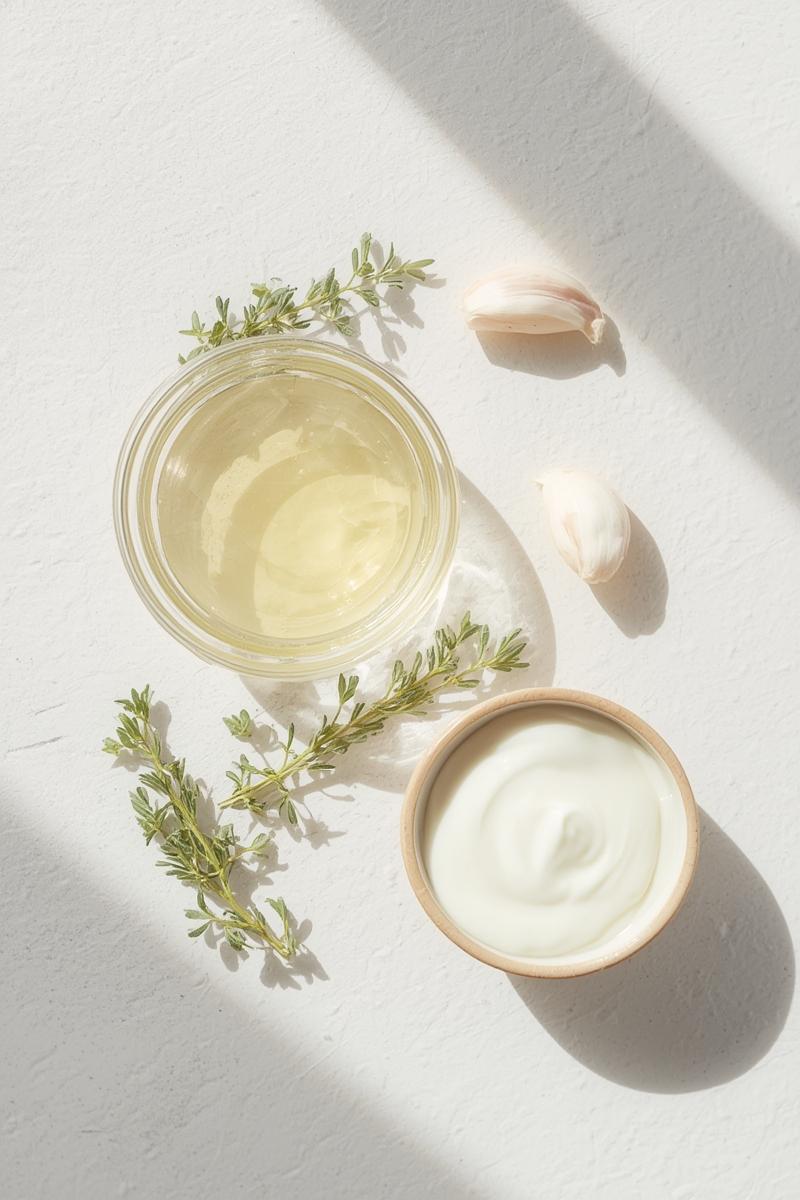
A more thorough rescue involves a gentle simmer. Chop or shred the chicken and add it to a pan with a generous amount of liquid. You could use a rich chicken or vegetable broth, your favorite pasta sauce, or even a simple mixture of white wine, herbs, and a touch of cream. Gently simmer the shredded chicken until it looks and feels rehydrated and tender to the touch. It’s amazing how much life a good simmer can bring back.
Reinventing Texture & Flavor: Beyond the Breast
Once you’ve added moisture, it’s time to rethink the chicken’s role entirely. Don’t try to serve it as a standalone piece. Instead, incorporate it into dishes where its new texture and absorbed flavors can shine.
Kitchen Reality Check: When you start simmering your chicken, it might look a little sad at first, like it’s just floating in liquid. Don’t worry! Give it time to truly absorb the goodness. If it still feels tough, a few more minutes on low heat can work wonders. Be patient; the transformation takes a little nurturing.
Market Note: For a vibrant simmering sauce, look for heavy, firm
ripe plum tomatoes at your local farmer’s market – their natural sweetness and acidity are unparalleled and will make any sauce sing. If tomatoes aren’t in season, a good quality canned crushed tomato will do the trick.
Chopped & Tossed: Salads, Tacos, Wraps
Dry chicken, once rehydrated and chopped, excels in dishes where it’s not the sole star but a textural component. Think vibrant salads bursting with fresh greens and a zesty vinaigrette, or hearty tacos piled high with crunchy slaw and a creamy avocado dressing. It’s also perfect for wraps where its tenderness blends beautifully with other fillings. We often use rescued chicken for a quick stir-fried chicken with celery and chili, letting the sauce do all the heavy lifting to rehydrate.
Creamy & Comforting: Casseroles & Soups
This is perhaps my favorite way to disguise a culinary mishap. Chopped, rehydrated chicken becomes an invisible hero in creamy casseroles, rich soups, or hearty stews. The surrounding sauce or broth provides all the moisture it needs, and the chicken simply adds a lovely protein boost. This method works especially well for Polish-inspired dishes where rich, savory broths and creamy elements are often central. It’s also fantastic in dishes like our one-pot spicy garlic butter chicken tortellini, where the chicken gets to soak up all those incredible flavors.
Crispy & Crunchy: Fritters & Croquettes
If you’re feeling a bit more adventurous, turn that humble dry chicken into something crispy and delightful! Shred it finely, mix it with some mashed potatoes, herbs, and a binding agent (like an egg and a little flour or breadcrumbs), then form them into fritters or croquettes. Pan-fry or bake until golden and crispy. The crunchy exterior and tender, flavored interior will make you completely forget its dry origins.
The Art of Camouflage: Strong Flavors & Textural Contrasts
Ultimately, rescuing dry chicken is about culinary camouflage. Use bold sauces, tangy dressings, fresh herbs, and crunchy vegetables to distract from any lingering dryness. Focus on creating a symphony of textures and flavors so that the chicken becomes just one harmonious note in a delicious composition.
Never Again! Preventing Future Poultry Predicaments
Perfecting Your Cook: Temperature is Key
The single best tool to prevent dry chicken is a meat thermometer. Cook chicken breast to an internal temperature of 165°F (74°C) and no higher. Remove it from the heat when it hits 160°F (71°C) as it will continue to cook a bit while resting. That small investment in a thermometer will save you so much heartache!
Brining, Marinating & Pounding for Success
These are your secret weapons! A simple brine (salt and water) for 15-30 minutes can dramatically increase moisture retention. Marinades, especially those with acidic components like lemon juice or buttermilk, tenderize the meat and infuse flavor. Pounding chicken breasts to an even thickness ensures they cook uniformly. For dishes like a Whole30 sheet pan chicken with vegetables, proper marinating and even thickness are crucial for a juicy result alongside tender veggies.
Resting the Meat: The Unsung Hero
Just like a good nap, chicken needs to rest after cooking! Tent it loosely with foil for at least 5-10 minutes. This allows the juices, which have rushed to the center during cooking, to redistribute throughout the meat, resulting in a much juicier piece of chicken.
Smart Cooking Methods for Juicier Chicken
Consider poaching, braising, or pan-searing quickly and then finishing in the oven. These methods are forgiving and help retain moisture. Avoid high, dry heat for extended periods. When I cook chicken, I often use a quick sear for color, then a gentle finish, keeping a close eye on that internal temperature.
Any leftover broth from simmering your chicken can be frozen for a quick soup base, making the most of every delicious drop and embracing sustainable kitchen practices.
There’s immense satisfaction in turning a kitchen mishap into a triumph. So, the next time you find yourself with an unexpectedly dry chicken breast, don’t despair! Embrace the challenge, get creative with sauces and textures, and transform it into something truly wonderful. I’d love to know what innovative twist you added to rescue your chicken!