
A dry chicken dinner can turn a promising evening meal into a culinary disappointment, leaving us wondering where we went wrong. This guide aims to transform that frustration into confidence, offering not only practical ways to revive overcooked chicken but also foolproof strategies to ensure every future piece is perfectly juicy and tender.
The Culinary Catastrophe: A Dry Chicken Confession
My Own Overcooked Misadventure
I distinctly remember one Saturday evening, fresh home from a bustling farmers’ market, my basket overflowing with vibrant seasonal veggies and a beautiful, plump chicken. My plan? A simple roasted chicken with herbs – a classic comfort that usually brings everyone to the table with smiles. I had my favorite podcast playing, a warm mug of coffee by my side, and all the ingredients laid out. Everything felt perfect. But as the timer buzzed and I pulled the chicken from the oven, a sinking feeling started to creep in. Despite its golden-brown exterior, a quick probe confirmed my fears: it was… firm. Very firm. And when I carved it, the tell-tale dry, stringy texture announced itself. My heart sank a little. The joy of cooking suddenly felt deflated, and I considered just ordering a pizza. But then, the improvisation bug bit!
The Universal Chicken Conundrum
That night, I realized how easily even the most seasoned home cooks can end up with chicken that’s just a little too dry. It’s a common kitchen reality, and truly, there’s no shame in it! The good news is that an overcooked bird doesn’t have to mean dinner is ruined. Far from it! We can transform it, infuse it with flavor, and make it part of something new and delicious. This isn’t about perfectly plated gourmet dishes; it’s about embracing the journey, learning from those little kitchen mishaps, and finding joy in making the most of what we have. Even if your chicken looks a little wonky after its initial roast, we’re going to make sure it tastes wonderful in its next incarnation!
Why Good Chicken Goes Bad: The Science of Dryness
The Perils of Overcooking: Temperature Matters
At its heart, dry chicken is a result of overcooked proteins. Chicken muscle is primarily made of protein fibers and water. When you apply heat, these proteins begin to denature, or unwind and clump together. As this process continues, the muscle fibers contract, squeezing out the water that keeps the chicken moist and tender. Cook it too long, and too much water is expelled, leaving you with that sadly dry, chewy texture. The sweet spot for cooked chicken, where it’s safe to eat yet still juicy, is typically 165°F (74°C) internal temperature.
Lean Cuts, High Risk: Breast vs. Thigh
Not all chicken is created equal when it comes to moisture retention. Chicken breasts are notoriously lean, containing very little fat. This makes them quick to cook but also highly susceptible to drying out. Thighs, on the other hand, boast a higher fat content and more connective tissue, which breaks down during cooking, contributing to a more forgiving and moist result even if slightly overcooked. When you’re aiming for absolute juiciness, thighs often offer a wider margin for error.
Not All Chicken is Created Equal: Quality & Brining
The chicken itself plays a role too. Higher quality, air-chilled chickens often retain more moisture. Furthermore, many commercially processed chickens are injected with a saline solution, which can help them stay moist. However, you can replicate this at home with a simple brine – a saltwater solution that helps the meat absorb and retain moisture before cooking. This is a game-changer for consistently juicy results, especially with lean chicken breasts.
Operation Rescue: Savvy Solutions for Dry Chicken
The Moisture Injection: Sauces, Broths & Gravies
The quickest way to revive dry chicken is to add moisture back. Think rich sauces, flavorful broths, or luscious gravies. Simmering shredded dry chicken in a homemade stock or a velvety mushroom sauce can work wonders, allowing the chicken to rehydrate and absorb new flavors. Don’t be afraid to get creative with what you have on hand – a splash of white wine, a dollop of cream, or a robust tomato sauce can do the trick.
Reimagining Texture: Shredding & Chopping for New Dishes
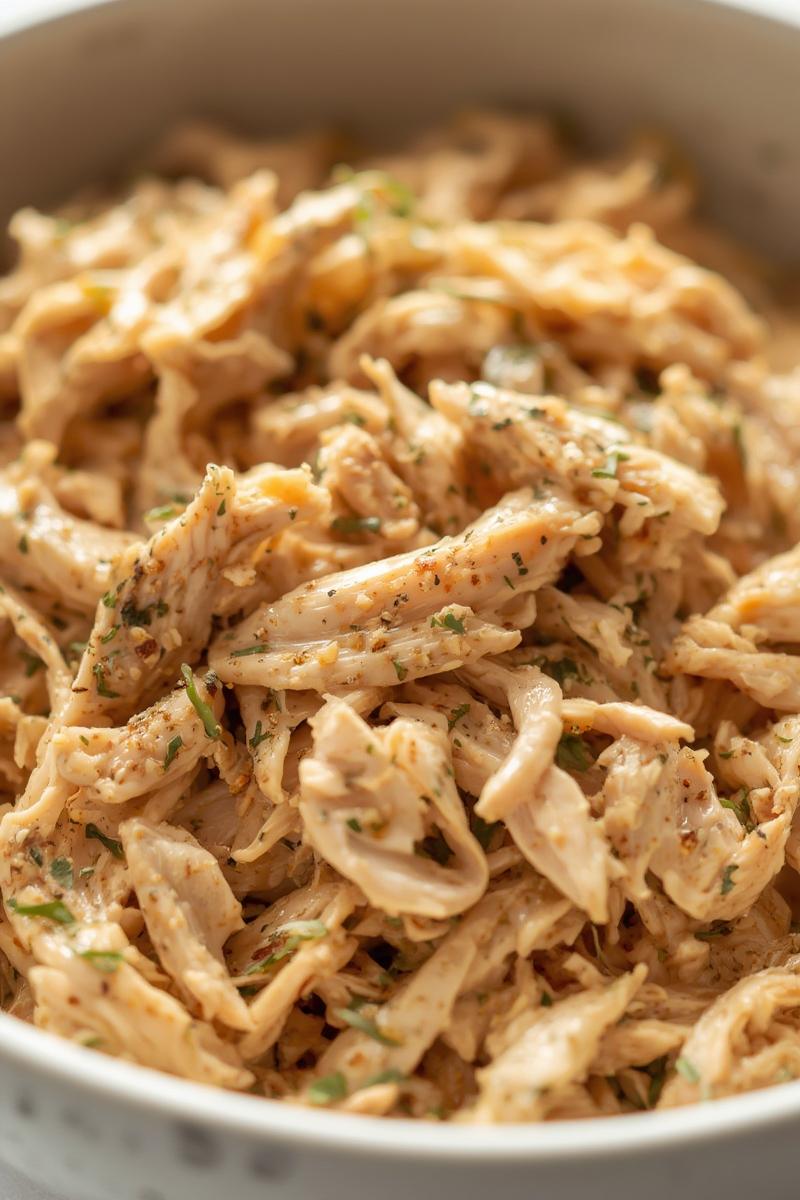
If the texture is too tough, shredding or finely chopping the chicken can entirely change its profile. Instead of trying to eat a dry piece whole, break it down. Shredded chicken is incredibly versatile and forms the basis for so many delicious meals where the chicken is not the star but an integral, flavorful component. This is where kitchen improvisation truly shines!
Flavor Boosters: Acid, Fat & Herbs to the Rescue
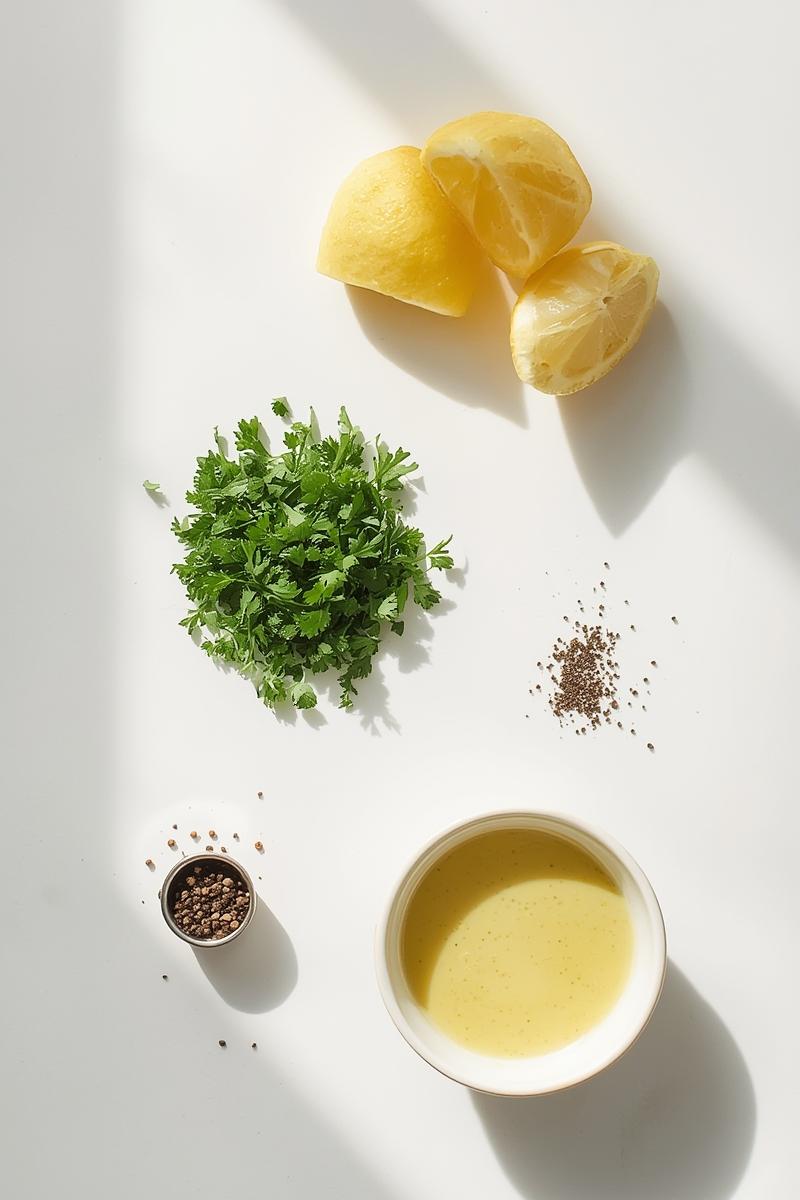
Beyond just moisture, adding acidity, healthy fats, and fresh herbs can elevate your rescued chicken. A squeeze of lemon or lime, a splash of apple cider vinegar, or even a bit of pickle juice can brighten flavors. Olive oil, a creamy avocado dressing, or even a touch of melted butter will add much-needed richness. And fresh herbs like parsley, cilantro, dill, or chives bring vibrancy and freshness. For a beautiful aroma, consider gently warming the chicken with these additions!
Quick & Easy Dry Chicken Recipes
Chicken Salad Transformation
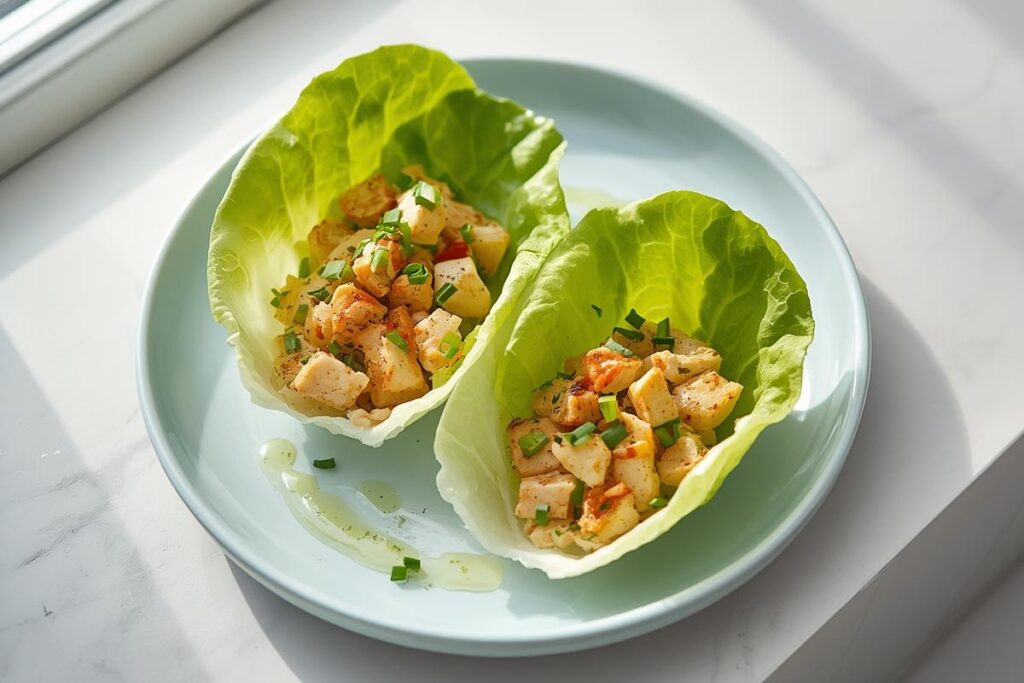
This is my absolute favorite quick rescue! Finely shred your dry chicken. Mix it with mayonnaise (or Greek yogurt for a lighter twist), a bit of Dijon mustard, chopped celery, red onion, and plenty of fresh dill. Season generously with salt and pepper. Serve on toast, lettuce wraps, or as a vibrant scoop on its own. It’s an instant classic, perfect for a quick lunch, and a great way to use pantry staples.
Speedy Chicken Tacos/Wraps
Shredded chicken, especially if it’s been seasoned, makes fantastic taco or wrap filling. Warm it gently in a skillet with a splash of chicken broth or a dollop of salsa, letting it soak up the flavors. Load into warm tortillas with your favorite toppings: crisp lettuce, pico de gallo, avocado, a sprinkle of queso fresco, and a squeeze of lime. So satisfying and no one will ever know it started dry!
Comforting Chicken Noodle Soup Base
Dry chicken is practically begging to become part of a comforting soup. Simply shred the chicken and add it to a simmering pot of homemade chicken broth, along with carrots, celery, onions, and your favorite noodles. Let it simmer until the flavors meld and the chicken rehydrates beautifully. It’s a hug in a bowl, especially on a chilly evening.
Flavorful Chicken Stir-Fry
Dice or shred the chicken, then quickly stir-fry it with an array of colorful vegetables and a savory sauce. The high heat and the sauce will help tenderize the chicken and infuse it with flavor. My go-to sauce includes soy sauce, a hint of ginger, garlic, and a touch of honey. Toss it all together, and you have a speedy, nutritious meal.
Market Note: When picking fresh herbs like cilantro or dill for these recipes, look for bright green, perky leaves, free from wilting or yellowing. The stronger the aroma, the fresher the herb!
Future-Proofing Your Flock: Preventing Dry Chicken
Temperature Control is Key: Thermometers Are Your Friend
The most crucial step in preventing dry chicken is monitoring its internal temperature. Invest in a reliable instant-read thermometer. For chicken breasts and thighs, aim for 165°F (74°C) at the thickest part. Once it hits this, take it off the heat immediately. A few degrees can make all the difference between juicy and dry.
Brining & Marinating: The Moisture Magnets
Before cooking, consider brining your chicken. A simple brine is water, salt, and often a touch of sugar. Submerge chicken in this solution for 30 minutes to a few hours (depending on size). The salt helps the muscle fibers retain moisture, leading to a much juicier end product. Marinades, especially those with acidic components like buttermilk or citrus, can also help tenderize and flavor the chicken, offering another layer of protection against dryness.
Smart Cooking Methods: Low & Slow, Pan-Searing & Roasting
Different cooking methods yield different results.
- Pan-Searing: Get a good sear on chicken breasts or thighs in a hot pan, then reduce heat and finish cooking gently, possibly with a lid to trap steam, or transfer to a moderate oven.
- Roasting: Roasting a whole chicken at a slightly lower temperature (like 375°F/190°C) rather than a scorching hot one can help it cook more evenly without drying out the exterior before the interior is done.
- Slow Cooking/Poaching: For shredded chicken, slow cooking or poaching in broth ensures it stays incredibly moist.
The Rest is Best: Why Resting Chicken Matters
Once cooked, never cut into chicken immediately. Just like a good loaf of bread needs to cool after baking to set its crumb (or else you might end up with a crumbly mess), chicken needs to rest. Tent it loosely with foil for 5-10 minutes. This allows the juices, which have migrated to the center during cooking, to redistribute throughout the meat, ensuring every bite is moist and flavorful.
Don’t Forget the Fat: Skin On, Bone In
Whenever possible, cook chicken with its skin on and bones in. The skin acts as a protective layer, basting the meat in its own fat as it renders, while the bones help conduct heat evenly and provide insulation, both contributing to a juicier result. You can always remove the skin before eating if you prefer.
From Fiasco to Flavor: Mastering Juicy Chicken
Embrace the Learning Curve
Every cooking journey has its bumps and triumphs. Don’t let a dry chicken dinner deter you from trying again. Think of it as a stepping stone, a lesson learned, and an opportunity to get creative. With a few simple tricks up your sleeve and a trusty meat thermometer, you’ll be cooking perfectly moist and flavorful chicken every time, making those culinary mishaps a distant memory. Keep experimenting, keep tasting, and most importantly, keep enjoying the process!
Your Go-To Dry Chicken Playbook
Remember these key takeaways: shredding and saucing are your best friends for rescuing dry chicken, and a thermometer, brining, and resting are your allies for preventing it.
Sustainability Tip: Keep chicken scraps (bones, skin, leftover bits) in a freezer bag to make a rich, homemade chicken stock later – a zero-waste flavor powerhouse!
I hope these tips empower you to approach your chicken dinners with confidence, even when things don’t go exactly to plan. Have you tried any of these rescue missions, or do you have a unique twist for salvaging dry chicken? I’d love to hear your success stories or what creative dishes you’ve whipped up!