
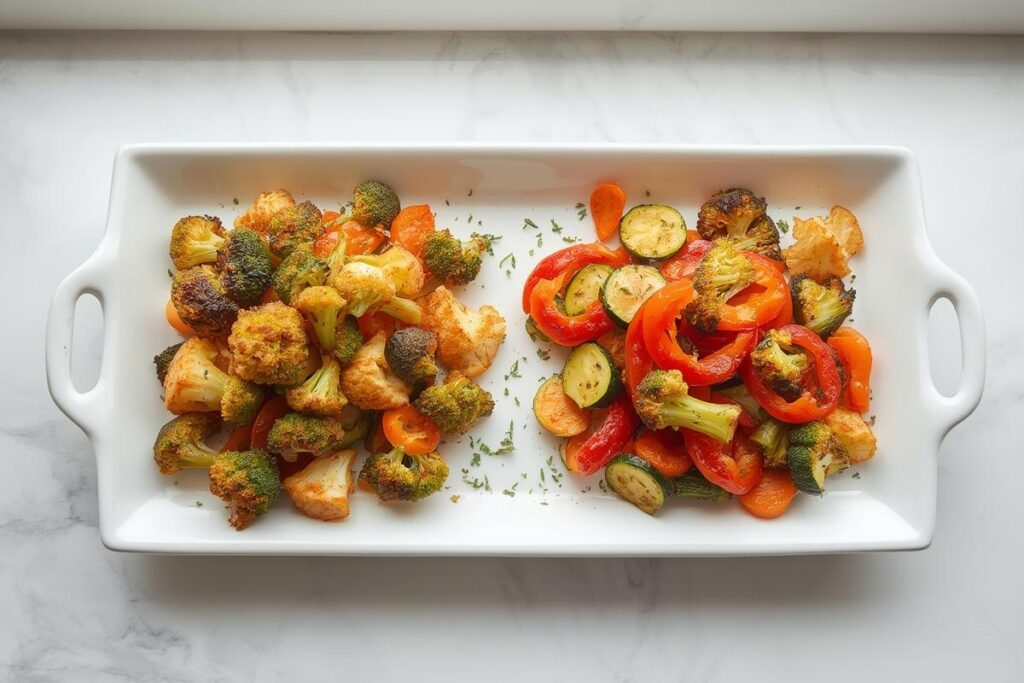
The debate between air frying and oven roasting vegetables often comes down to speed and that perfect crispy edge. This guide will directly compare both methods, revealing which one truly excels for weeknight meals, impressive crispiness, and even tempting the most discerning young palates. We’re settling the definitive question for perfectly cooked vegetables.
The Great Vegetable Debate: Air Fryer vs. Oven Roast
My kitchen often smells of roasted vegetables, a comforting aroma that, for me, signals a meal is truly underway. I’ve spent countless hours trying to perfect those beautifully caramelized edges, that tender-crisp texture that makes even the simplest broccoli feel like a culinary triumph. For years, the oven was my undisputed champion for achieving this golden standard. But then, a compact, whirring challenger entered the arena: the air fryer. Suddenly, my routine was shaken. Could this countertop appliance really rival the traditional oven in producing deliciously roasted vegetables, especially when time is of the essence?
This isn’t just about convenience; it’s about culinary curiosity. I wanted to know if the air fryer truly offered a modern twist that could elevate my weeknight cooking game. Is it faster? Does it deliver that unparalleled crunch? And perhaps most importantly for those busy family dinners, can it make vegetables more appealing to the often-skeptical younger crowd? This article is a head-to-head battle, pitting the classic oven against the speedy air fryer to uncover their unique strengths in terms of speed, crispiness, and kid-friendly appeal.
What to Expect: Mastering the Roast
Whether you choose the oven or the air fryer, the goal remains the same: transforming raw vegetables into flavorful, tender bites with irresistible crispy edges. If your first batch isn’t perfect, don’t fret! Sometimes the broccoli might char a bit too much, or the potatoes might not be as golden as you hoped. Every chef has a “learning batch” – it’s all part of the fun, and usually, it still tastes wonderful. The key is understanding how each appliance works, so you can adapt and improvise your way to veggie perfection.
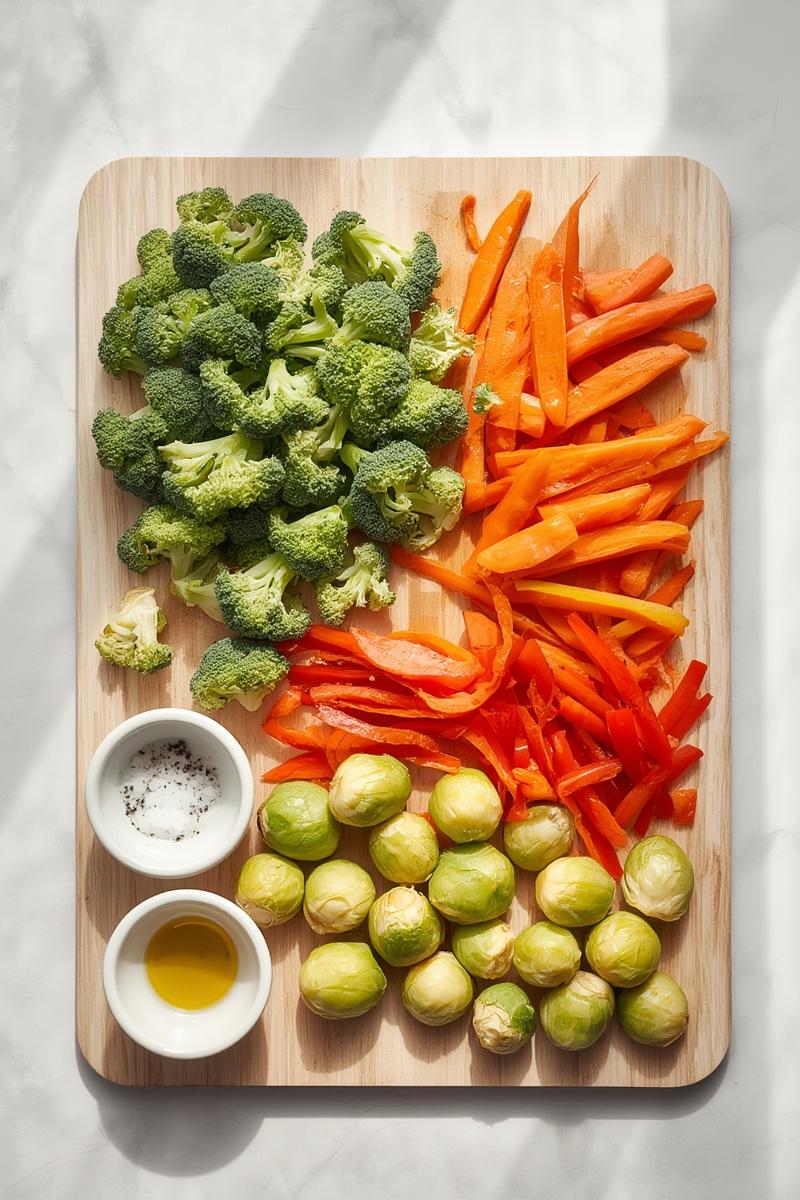
The Classic Champion: Mastering Oven-Roasted Vegetables
There’s something wonderfully grounding about the process of oven roasting. I remember Sunday afternoons at my grandmother’s house, the entire kitchen warmed by the oven, the scent of rosemary and garlic mingling with potatoes and carrots slowly turning golden. It’s a method steeped in tradition, offering a slow, even caramelization that’s hard to beat for certain vegetables and larger gatherings.
The Slow & Steady Charm: How an Oven Roasts
An oven primarily uses radiant heat, enveloping your vegetables from all sides. This slower, more gentle cooking process allows for moisture to evaporate gradually, concentrating flavors and developing those coveted crispy, browned surfaces through the Maillard reaction. It’s an unhurried dance of heat, allowing root vegetables to soften completely while their exteriors develop a beautiful, deep caramelization. Think of it as a low and slow simmer for your veggies, yielding a tender interior and a complex exterior.
Best Veggies for the Traditional Oven Treatment
The oven truly shines with heartier vegetables that benefit from longer cooking times and even heat distribution. Think of the classics:
- Root Vegetables: Potatoes (especially cubed for crispy edges!), sweet potatoes, carrots, parsnips, and beets all develop a deep sweetness and tender interior.
- Squash: Butternut squash, acorn squash, and pumpkin cubes roast beautifully, becoming creamy and caramelized.
- Larger Batches: When you’re cooking for a crowd or want plenty of leftovers for salads or meal prep (hello, roasted veggie bowls!), the oven’s ample capacity is a game-changer.
Oven Prep Secrets for Even Browning and Flavor
Achieving perfectly roasted vegetables in the oven is all about a few simple tricks:
- Preheat Properly: Always preheat your oven and the baking sheet. A hot pan ensures immediate searing and prevents sticking.
- Don’t Overcrowd: This is crucial! Give your veggies space. If they’re too close, they’ll steam instead of roast. Use two baking sheets if necessary.
- The Right Amount of Oil: Toss vegetables with just enough oil to lightly coat them – olive oil, avocado oil, or even melted coconut oil work wonders. Too much makes them greasy, too little makes them dry.
- High Heat is Key: Roasting at 400-425°F (200-220°C) is ideal for most vegetables to achieve browning and crispiness.
- Season Generously: Salt and freshly ground black pepper are non-negotiable. Beyond that, experiment! Garlic powder, onion powder, smoked paprika, dried herbs like rosemary or thyme, or even a dash of cayenne for a kick.
Market Note: When selecting root vegetables like carrots or potatoes, look for firm, smooth skins with no soft spots or sprouts. Organic varieties often have a deeper, earthier flavor that really comes through after roasting.
The Modern Marvel: Air Frying for Speedy Crispness
I distinctly remember the first time I air-fried broccoli. I was skeptical, thinking it would just be a glorified convection oven. But the speed and sheer crunch it delivered were astounding! It was ready in a fraction of the time, and those florets had edges so crispy they practically shattered. It immediately made me rethink how I approach quick vegetable sides on busy weeknights.
Inside the Vortex: How Air Fryers Deliver Quick Results
An air fryer is essentially a compact, powerful convection oven. It circulates super-heated air around the food at high speed, creating a “fried” effect with minimal oil. This concentrated, circulating heat results in faster cooking times and incredibly crispy exteriors, almost as if the veggies have been deep-fried, but without the excess grease. It’s like a mini wind tunnel for your food!
Top Vegetables that Shine in the Air Fryer
The air fryer excels with vegetables that benefit from quick, intense heat and a crispy finish:
- Cruciferous Veggies: Broccoli florets, Brussels sprouts (halved), and cauliflower florets become incredibly tender inside with super-crispy, slightly charred edges.
- French Fries & Potatoes: Homemade potato fries, potato wedges, or small diced potatoes get incredibly crispy on the outside and fluffy inside.
- Asparagus & Green Beans: These slender veggies cook quickly and develop a lovely snap and a bit of char.
- Bell Peppers & Onions: Sliced peppers and onions soften beautifully and get sweet and slightly caramelized edges.
Air Fryer Hacks for Maximum Crunch and Efficiency
To get the best out of your air fryer:
- Don’t Overcrowd, Seriously: This is even more important than in the oven. The circulating air needs space to do its job. Work in batches if necessary. Overcrowding leads to steaming, not crisping.
- Shake it Up: Periodically shake the basket (every 5-7 minutes) to ensure even cooking and browning.
- Minimal Oil: A light spray of oil or a drizzle and toss is usually sufficient. Too much oil can make things soggy.
- Cut Uniformly: Ensure your vegetable pieces are roughly the same size for even cooking.
- Preheat (Optional but Recommended): A quick 3-5 minute preheat can help kickstart the crisping process.
Kitchen Reality Check: If your air-fried veggies aren’t getting crispy, it’s almost always due to overcrowding or not shaking the basket enough. Don’t be shy about giving that basket a good shimmy! Even if a few pieces stick initially, a good shake usually sets them free, ready to get golden.
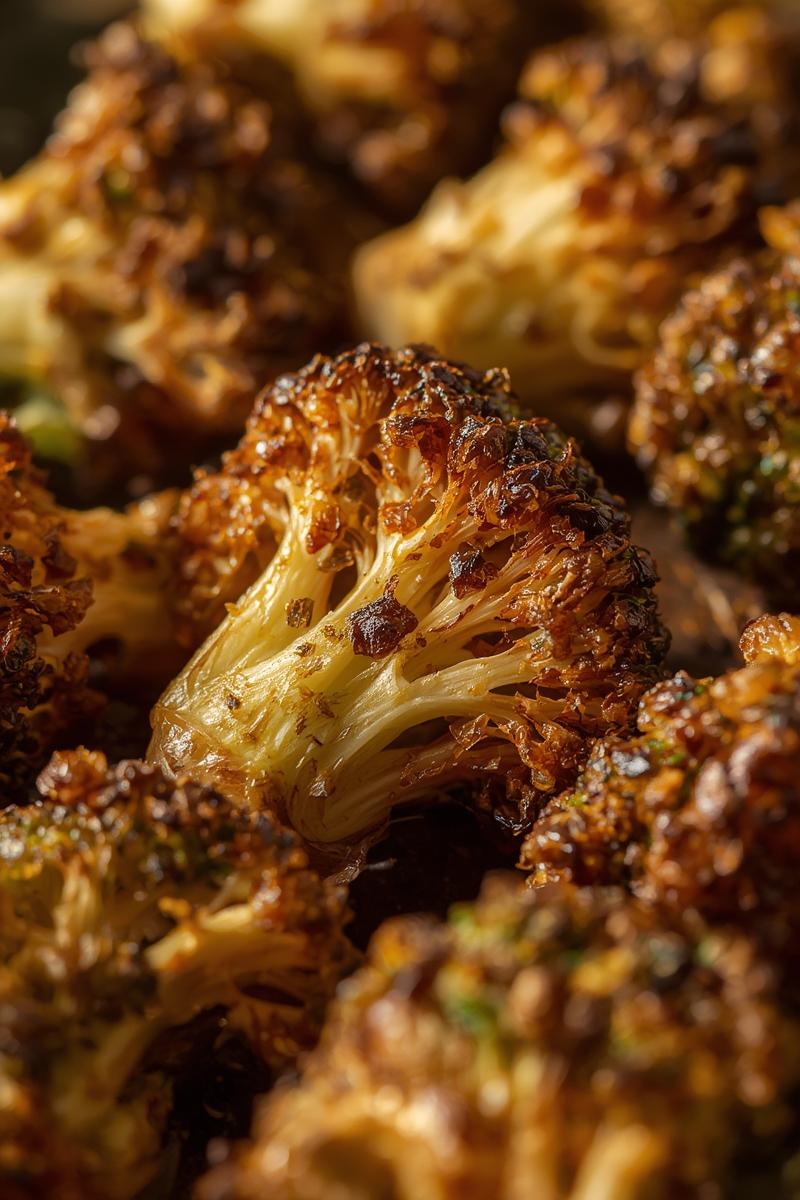
Head-to-Head: Air Fryer vs. Oven Roast Veggies Showdown
Now, for the ultimate comparison! I’ve put both methods through their paces countless times. Let’s break down where each truly stands out.
The Speed Test: Which Method Wins the Weeknight Race?
The air fryer is the undisputed champion here. For a small batch of broccoli, Brussels sprouts, or even a quick side of potatoes, it can shave off 10-15 minutes compared to the oven. While an oven needs significant preheating time and longer overall cooking, the air fryer heats up rapidly and cooks with intense speed. If you’re looking for a quick side to go with your sticky beef noodles or a speedy vegetable snack, the air fryer is your go-to.
Crispness & Texture: A Battle of Golden Edges
Both methods can achieve crispiness, but they offer slightly different textures. The air fryer delivers an almost fried-like crispness, a quick, intense crunch that’s fantastic for florets and thinner cuts. The oven, on the other hand, offers a more gradual, deeply caramelized crispness, especially on root vegetables. Its slower process allows for a more even tenderization throughout. Think of the air fryer for a dramatic, fast crunch, and the oven for a more nuanced, developed crispiness.
The Kid-Friendly Factor: Getting Picky Eaters on Board
This is where both methods have their merits, often depending on the child!
- Air Fryer: The “fried” texture often appeals to kids who love anything crunchy. French fries, “tater tots” made from diced sweet potatoes, or crispy broccoli florets can be big hits. The smaller batches also mean less intimidating portions.
- Oven: The oven excels at making larger batches of mixed vegetables. Roasting can bring out a natural sweetness in carrots and sweet potatoes, which is generally appealing. You can also hide a wider variety of veggies more subtly when oven roasting, or make fun shapes to entice them. Remember, presentation can make a big difference, especially for picky eaters!
No matter the method, making it fun and involving them in the seasoning can make a difference. Perhaps a sprinkle of parmesan or a little nutritional yeast for a cheesy flavor helps! If they aren’t convinced, don’t worry, even if they pick around a bit, they’ll still be getting good nutrients from other parts of the meal, perhaps even a dollop of healthy no-churn cottage cheese ice cream for dessert!
Energy Efficiency & Batch Size: Practical Considerations
For smaller batches (1-2 servings), the air fryer is generally more energy-efficient because it heats a much smaller space. For larger family meals or meal prepping, the oven is the clear winner in terms of capacity. Trying to air fry a sheet pan’s worth of vegetables would require multiple batches, negating any time or energy savings.
The Verdict: When to Reach for Your Air Fryer (or Stick to the Oven)
After many delicious experiments, the conclusion isn’t about one being “better” than the other, but rather about knowing when to use each for maximum advantage.
Quick Weeknight Wins: Air Fryer’s Sweet Spot
When you need a side dish in under 20 minutes, or you’re cooking for just one or two people, the air fryer is your best friend. It’s perfect for those evenings when you’re looking to cook something quickly without much fuss. Think crispy Brussels sprouts with a squeeze of lemon or speedy cauliflower florets.
Family Feasts & Larger Batches: Oven’s Domain
For holiday meals, Sunday dinners, or when you’re feeding a larger crowd, the oven reigns supreme. Its capacity allows you to roast multiple trays of vegetables simultaneously, ensuring everyone gets a generous portion of those comforting, deeply flavored, and evenly tender roasted delights. It also pairs wonderfully with other oven-cooked dishes, like a pot roast or baked chicken.
Flavor Boosters & Seasoning Strategies for Both Methods
Whether air frying or oven roasting, the right seasoning can transform your vegetables.
- Simple & Classic: Olive oil, salt, pepper, garlic powder, onion powder.
- Herby & Aromatic: Fresh or dried rosemary, thyme, oregano.
- Spicy Kick: Smoked paprika, chili flakes, a pinch of cayenne.
- Umami Boost: Nutritional yeast (for a cheesy flavor), soy sauce (sparingly, for saltiness), a dash of balsamic glaze towards the end.
Don’t be afraid to improvise with what you have! A squeeze of lemon juice or a sprinkle of fresh parsley after cooking can brighten any roasted veggie. You can even try a drizzle of honey or maple syrup on root vegetables for a sweet-savory twist. I often find inspiration for new flavor combinations from my farmers’ market finds, letting the seasonal produce guide me.
Sustainability Tip: Save vegetable scraps (carrot peels, broccoli stems, onion ends) in a bag in your freezer to make a flavorful homemade vegetable broth later!
FAQs About Roasting Vegetables
Can you really get the same crispiness from an oven?
Yes, but it’s a different kind of crispiness. The oven provides a slower, more even browning and caramelization, leading to a deeply developed crisp. The air fryer delivers a faster, more intense “fried” crisp. Both are delicious, just distinct!
How much oil do you need for each method?
For oven roasting, a generous drizzle to lightly coat all surfaces is usually enough. For air frying, you need significantly less – often just a light spray or a teaspoon or two for a batch. The goal is just to help with browning and prevent sticking, not to deep-fry.
What are the best vegetables to roast for beginners?
Potatoes (cubed or wedges), carrots, broccoli, and Brussels sprouts are all excellent choices. They’re forgiving, widely available, and yield delicious results with both methods.
How do I prevent burnt spots in my air fryer?
The main culprits are overcrowding, too high a temperature, or not shaking the basket often enough. Ensure your veggies have space, try a slightly lower temperature (e.g., 375°F/190°C), and shake every 5 minutes. If you notice specific pieces browning too quickly, you can remove them or rearrange the batch.
Your Ultimate Roast Vegetable Cheat Sheet (Downloadable!)
Ready to master your roasted vegetables, no matter the appliance? Download our printable cheat sheet with recommended cooking times, temperatures, and seasoning ideas for a variety of vegetables in both your air fryer and oven. It’s a handy guide for quick reference on your fridge!
I hope this deep dive into the air fryer versus oven debate helps you decide which method to reach for during your next meal prep session or weeknight dinner rush. Both appliances are fantastic tools, and understanding their strengths means you’re always just minutes away from a delicious vegetable dish. I’d love to know what your favorite vegetable to roast is, and if you’ve discovered any genius seasoning combinations or unique twists with either your oven or air fryer!