
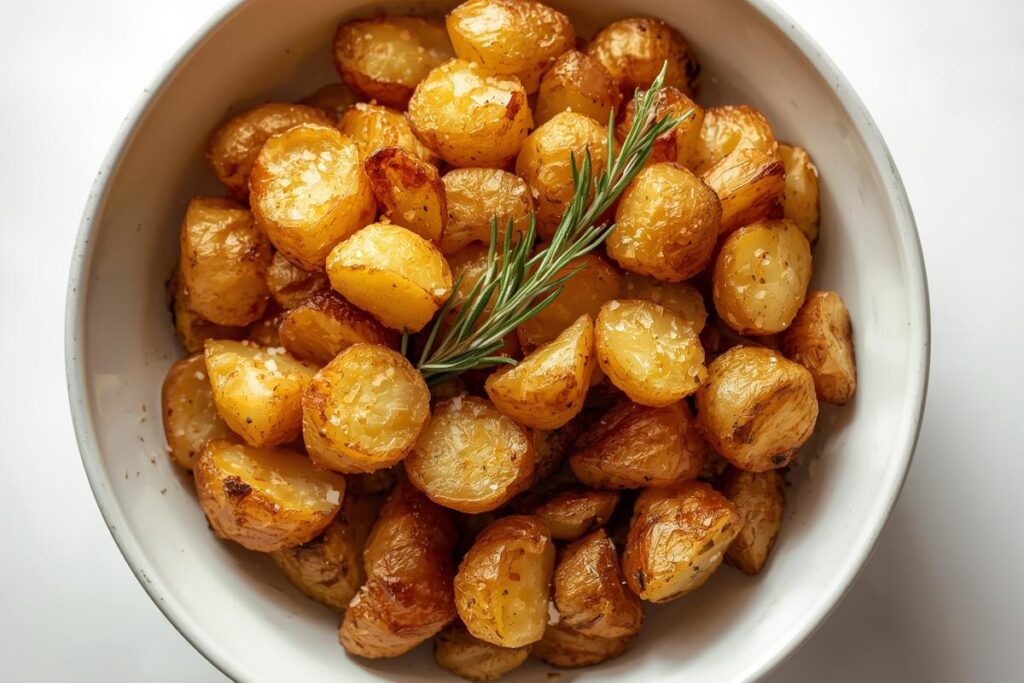
Achieving intensely crispy, golden roasted potatoes with a fluffy interior can feel like a culinary holy grail. Many home cooks struggle with potatoes that emerge from the oven sad, pale, and disappointingly soft. This guide will transform your humble side dish into a showstopper, revealing a foolproof oven method that eliminates the need for deep frying.
The scent of roasting potatoes is one of my ultimate kitchen joys. I remember one blustery Saturday morning, returning from the farmer’s market with a bounty of beautiful, earthy potatoes. My goal was a perfect plate of crispy potatoes to go with a simple roast chicken. But my usual method, a quick toss in oil and a prayer, left me with a pan of half-crispy, half-soggy spuds. It was a common frustration that sparked a quest for a truly reliable technique.
I realized the standard approach was missing a few critical steps. This recipe isn’t just about roasting; it’s about understanding the potato itself. My twist involves a specific parboiling and ‘roughing up’ technique that creates an incredibly porous, starchy surface, ready to shatter into a golden crisp in the oven. No deep fryer, no fancy equipment, just a few smart moves that make all the difference for deeply satisfying, crunchy potatoes.
The Quest for Crispy Perfection: A Common Culinary Frustration
The Disappointment of Soggy Spuds
Remember that time you promised golden, crunchy potatoes, only to serve up a plate of sad, pale, soggy spuds? We’ve all been there. It’s a kitchen disaster that can turn a perfectly good meal into a somewhat lackluster experience. There’s nothing quite as deflating as anticipating that satisfying crunch, only to be met with a mealy, soft bite. For me, it often happened when I was trying to impress friends with a homemade meal, and the potatoes, which should have been a simple win, turned into an unexpected culinary defeat.
Why Most Roasted Potatoes Fail to Crisp
The truth is, many traditional roasted potato recipes inadvertently set us up for failure. They often skip crucial preparatory steps that manage the potato’s inherent moisture. Potatoes are packed with water, and if that water doesn’t have a clear escape route, it steams the potatoes rather than allowing them to develop a crisp crust. Also, simply tossing raw potatoes in oil and baking them means the exterior doesn’t have enough textured surface area to truly crisp up. It’s a fundamental issue of surface science and moisture control that we’re about to master.
The Game-Changing Oven Hack: Your Step-by-Step Guide
This is where we turn those soggy spud disappointments into dazzlingly golden, impossibly crispy potato masterpieces. This method is the result of many kitchen experiments, finding what truly makes a difference in texture and flavor.
Choosing the Right Spuds: Starchy is Key
The foundation of crispy perfection starts with the right potato. Opt for high-starch varieties like Russets, Maris Pipers, or King Edwards. These potatoes have a fluffy, absorbent interior that breaks down beautifully during cooking, creating that desirable textural contrast with the crisp exterior.
Market Note: When you’re at the farmer’s market, look for potatoes that feel firm and heavy for their size, with no green spots or sprouts. The skin should be smooth and relatively unblemished. I always chat with the farmers about their best roasting potatoes – they know their spuds!
The Parboil & Rough-Up Method: The Secret to Surface Area
This is the true secret weapon. It’s a two-part magic trick!
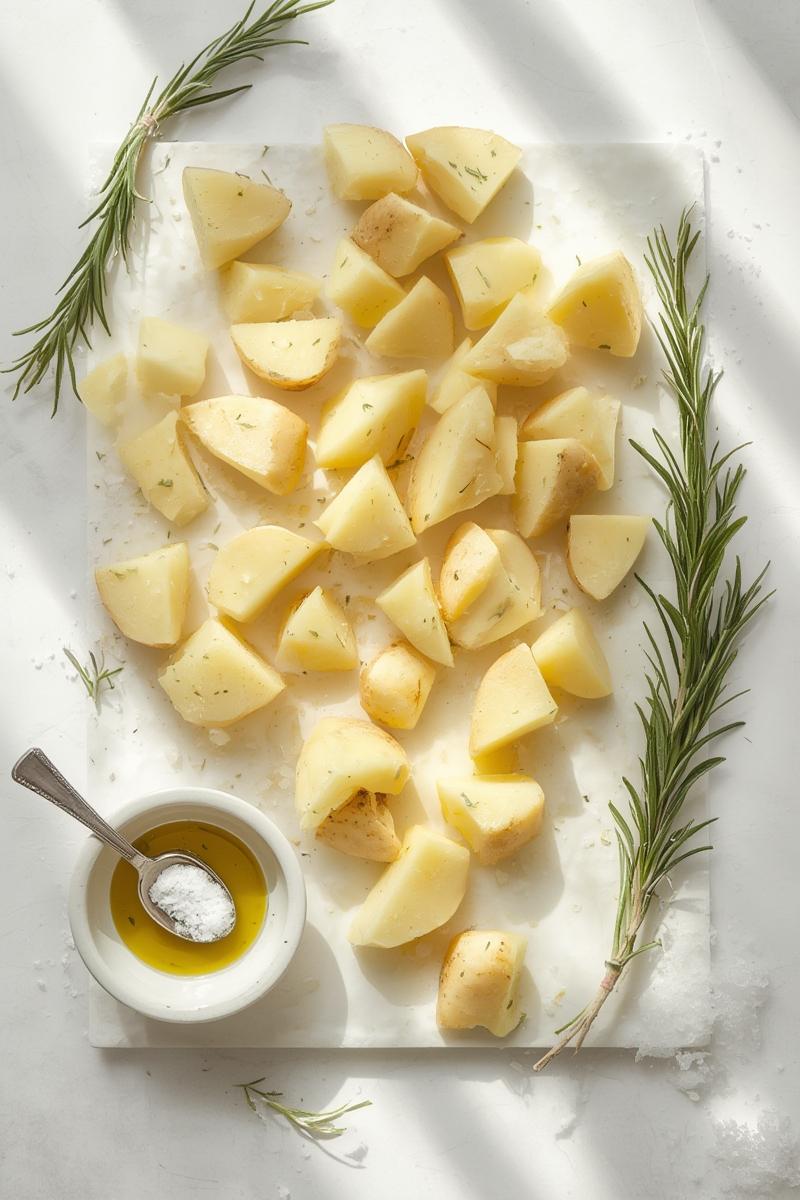
- Prep: Peel your chosen potatoes and cut them into roughly 1.5 to 2-inch chunks. Try to keep them uniform in size for even cooking.
- Parboil: Place the potato chunks in a large pot and cover them with cold, salted water. Bring to a boil, then reduce heat and simmer gently for about 8-10 minutes. You want them tender but not falling apart. A knife should meet some resistance when inserted.
- Drain & Rough-Up: Carefully drain the potatoes in a colander. This next step is crucial for creating that amazing crispiness: return the drained potatoes to the empty pot, cover with a lid, and gently shake the pot back and forth for 15-30 seconds. This action will “rough up” the parboiled edges, creating a starchy, craggy surface area perfect for crisping. You’ll see a beautiful fluffy layer forming on the outside!
Kitchen Reality Check: If the potatoes look a little shaggy and some bits have broken off, don’t panic! This is exactly what we want. It means you’re creating more surface area for crisping. Even if a few pieces seem to crumble, they’ll turn into incredibly delicious, extra-crispy bits.
Seasoning for Success: More Than Just Salt
Once roughed up, transfer the potatoes to a large bowl. Drizzle generously with a high smoke-point oil (like canola, grapeseed, or even olive oil, though I often save my good extra virgin for drizzling later). Add a good pinch of salt and freshly ground black pepper. For extra flavor, consider a touch of garlic powder or a sprinkle of smoked paprika at this stage.
The Hot Oil & High Heat Principle: Maximizing Crunch
Preheat your oven to a blazing 425°F (220°C). While the oven heats, place your baking sheet (or sheets, if you’re making a large batch) in the oven with a generous amount of oil (about 2-3 tablespoons per sheet). You want the oil to be shimmering hot when the potatoes go in. This instant sizzle creates an immediate crust.
- Preheat Oven & Oil: Preheat your oven to a scorching 425°F (220°C). Place a large baking sheet (or two, if needed) into the oven with 2-3 tablespoons of your chosen oil. Let it heat for about 10-15 minutes until the oil is shimmering and hot.
- Add Potatoes: Carefully remove the hot sheet from the oven. Gently arrange the seasoned, roughed-up potatoes in a single layer. The hot oil should sizzle upon contact.
- Initial Roast: Roast for 20 minutes without touching them. This allows the bottom side to develop a deep, golden crust.
Spacing & Flipping: Don’t Crowd the Pan!
Crowding the pan is a cardinal sin for crispy potatoes. If potatoes are too close, they steam instead of roast. Always ensure a single layer with plenty of space between each piece.
- Flip: After 20 minutes, carefully flip each potato piece using a spatula or tongs. You should see a beautiful golden-brown crust.
- Continue Roasting: Return to the oven and continue roasting for another 20-30 minutes, or until all sides are deeply golden brown and intensely crispy. You might need to flip them once more or rotate the pan for even browning.
Unpacking the Science: Why This Method Guarantees Gold
Understanding the ‘why’ behind each step not only makes you a better cook but also helps you improvise when things don’t go exactly to plan!
Starch Gelatinization: The Fluffy Interior Foundation
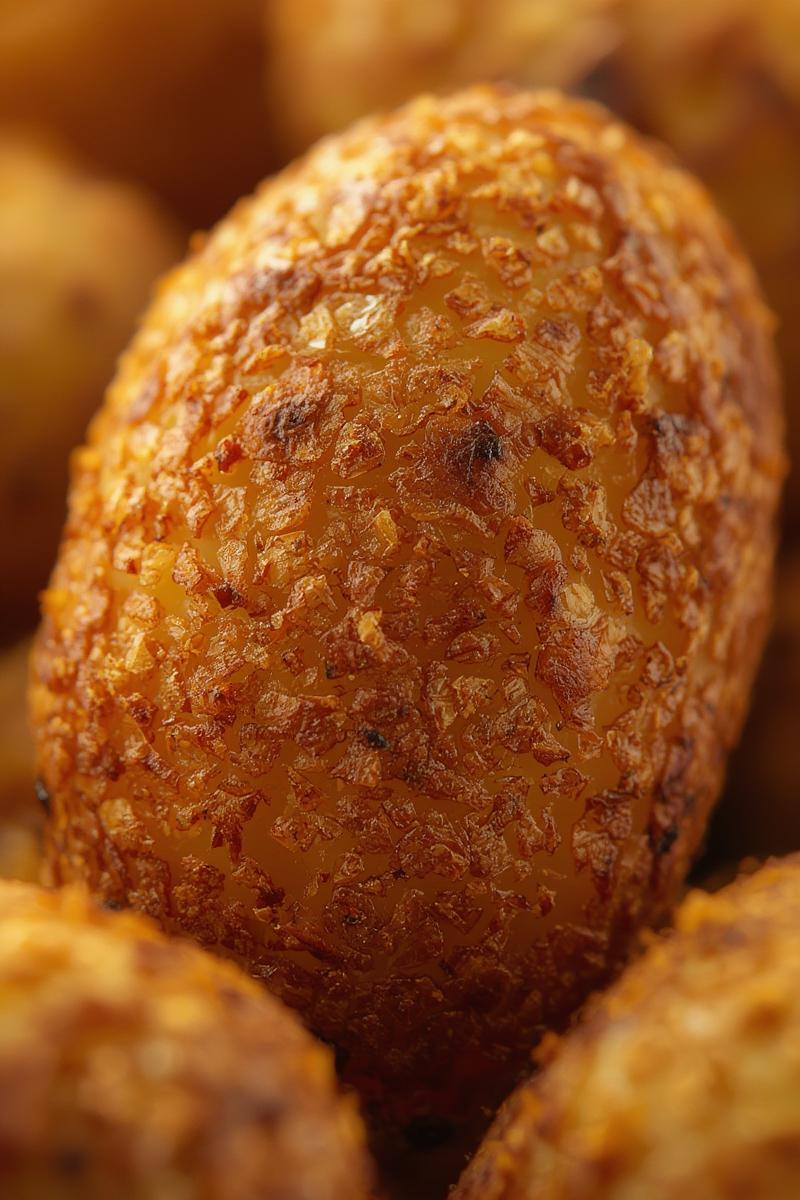
Parboiling achieves something magical: starch gelatinization. The heat and water cause the starch granules inside the potato to swell and burst, creating a soft, fluffy interior. When you then ‘rough up’ the potatoes, these burst starch granules on the surface create a broken, uneven texture. This provides countless micro-crevices and increased surface area, which are prime real estate for crisping.
Maximizing Maillard: The Browning Reaction Explained
The Maillard reaction is a chemical reaction between amino acids and reducing sugars that gives browned food its distinctive flavor and color. Our high oven temperature and the dry, craggy surface created by parboiling and roughing up accelerate this reaction dramatically, leading to that irresistible deep golden hue and complex, savory taste.
Steam vs. Crisp: How Water Escapes for Texture
The parboiling step also removes some of the potato’s internal moisture. By starting with less water, the potatoes can dry out more efficiently in the hot oven. The initial burst of high heat drives off remaining surface moisture quickly, preventing steaming and promoting crisping. This controlled water escape is crucial for texture.
The Role of Fat: Heat Transfer & Flavor
Fat, whether it’s vegetable oil or something richer, plays several vital roles. It acts as a fantastic conductor of heat, transferring the oven’s high temperature directly to the potato’s surface for even browning. Fat also contributes to flavor, especially if you choose an oil with a distinct profile, and helps create that desirable shatteringly crisp texture by preventing moisture from re-entering the potato surface.
Elevate Your Crispy Creations: Flavorful Variations & Tips
The basic crispy roasted potato is a triumph on its own, but there’s so much room to play! I love experimenting with different flavor profiles to match the main course or my mood.
Herb & Spice Infusions: Beyond Salt & Pepper
Don’t stop at the basics! After roughing up, toss the potatoes with finely chopped fresh rosemary, thyme, or oregano. Dried herbs work beautifully too, just use a bit less. A pinch of chili flakes can add a lovely warmth, or a touch of smoked paprika for depth. Sometimes I’ll even add a sprinkle of my favorite everything bagel seasoning!
Garlic & Onion Enhancements
For a fantastic aromatic boost, add whole, smashed garlic cloves or thickly sliced red onion to the pan during the last 15-20 minutes of roasting. They’ll soften and caramelize beautifully, infusing the potatoes with their sweet and savory notes. This simple addition can elevate your potatoes from great to truly exceptional.
The Power of Duck Fat or Lard (Optional but Amazing)
If you’re feeling indulgent (or have some on hand from making a hearty casserole), swap out some of the vegetable oil for duck fat or lard. These fats have incredible flavor and a high smoke point, leading to an even more impossibly crisp and flavorful potato. It’s a game-changer if you want to truly treat yourself!
Serving Suggestions: What to Pair with Perfection
Crispy roasted potatoes are incredibly versatile. They’re perfect alongside a juicy roast chicken, a simple steak, or even a creamy pasta dish. For a weekend brunch, they make a fantastic base for a fried egg. I also love them with a fresh green salad or as a hearty component in a vegetable bowl, perhaps with some roasted root vegetables and a drizzle of balsamic glaze. For a really modern twist, consider pairing them with our viral upside-down puff pastry tart for a delightful sweet and savory contrast.
Troubleshooting Common Crispy Potato Pitfalls
Even with the best instructions, sometimes things don’t go perfectly. Here are solutions to common issues.
Potatoes Sticking to the Pan
This usually happens if your pan isn’t hot enough when the potatoes go in, or if you didn’t use enough oil. Ensure your baking sheet and oil are shimmering hot before adding the potatoes. A non-stick pan can also help, but a well-oiled, hot metal sheet usually does the trick. Don’t try to flip them too soon – let that crust form! Sometimes, if they stick, just let them cook a little longer; they often release once they are truly crispy.
Still Not Crispy Enough?
If your potatoes are still not reaching that ultimate crispness, consider these points:
- Crowding: Did you give them enough space? Too many potatoes on one pan means steam, not crisp.
- Temperature: Is your oven running true to temperature? An oven thermometer is a great kitchen tool.
- Parboil Length: Did you parboil long enough to create that fluffy, roughed-up surface?
- Time: Just give them more time! Sometimes an extra 10-15 minutes can make all the difference.
Uneven Browning
Uneven browning can be caused by an oven with hot spots or insufficient flipping. Rotate your baking sheet halfway through cooking, and make sure you flip the potatoes at least once, ideally twice, to ensure all sides get a turn on the hot metal. Some folks even use two pans and swap them around in the oven to ensure even exposure to heat.
Your Crispy Potato Journey Begins Now!
Embarking on the quest for the perfect crispy roasted potato is a rewarding journey, and with these simple yet effective hacks, you’re now equipped to achieve potato perfection every single time. It truly transforms a basic side dish into something spectacular, earning you rave reviews at any dinner table. The joy of a truly crispy potato, with its soft, fluffy interior, is a simple pleasure that elevates any meal.
Sustainability Tip: Don’t toss those potato peelings! If they’re clean, you can toss them with a little oil and salt, roast them until crisp, and enjoy them as a delicious, zero-waste snack.
I can’t wait for you to try this method and discover the magic for yourself. What other herbs or spices do you think would make a fantastic addition to these crispy beauties? I’d love to know if you added your own twist!