
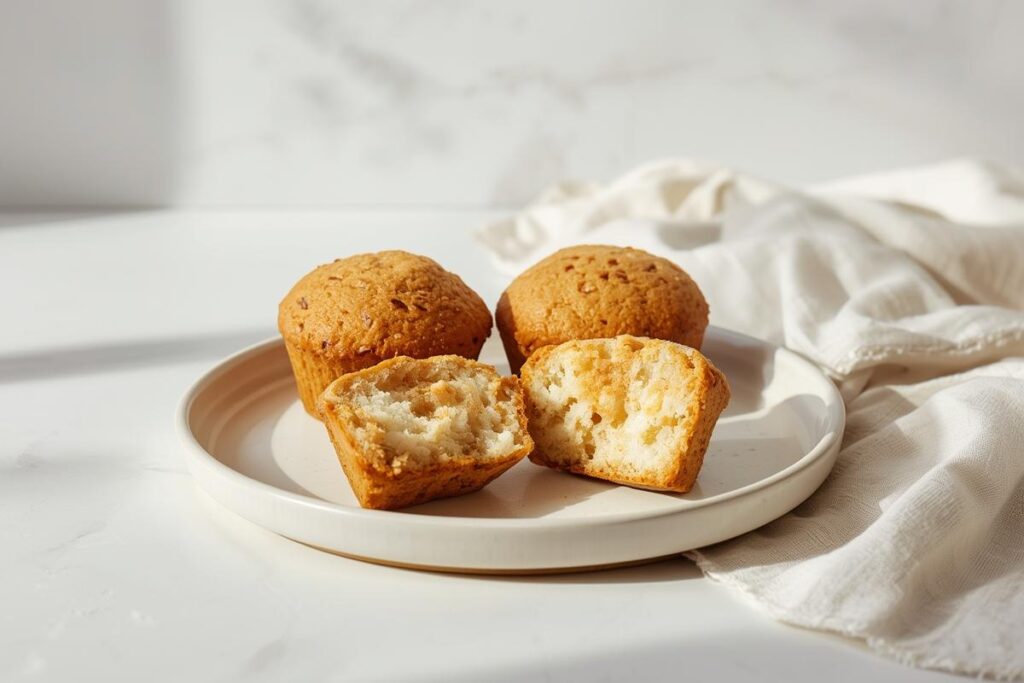
Fixing dry, crumbly gluten-free muffins requires understanding their unique science. This guide will uncover common baking pitfalls specific to gluten-free ingredients. We’ll share actionable, ‘Smartly’ improvisational techniques to achieve perfectly moist, tender muffins every time.
The Crumbling Truth: Your Muffin Misfortune
The Disappointment of Dryness
I remember one Saturday morning, eager to share a batch of freshly baked blueberry muffins with friends. The smell of warm fruit and browning sugar wafted through my kitchen, promising golden perfection. Yet, as I pulled one apart, it didn’t reveal a tender, fluffy interior; instead, it disintegrated into a pile of dry crumbs, scattering like sawdust across the plate. My heart sank a little. Sound familiar? That moment of hopeful anticipation turning into a powdery disappointment is one many gluten-free bakers know all too well.
It’s truly frustrating when your beautiful gluten-free muffins, destined for a cozy coffee break or a brunch table, end up feeling more like edible sand than a delightful treat. The challenge isn’t just about taste; it’s about texture, that satisfying, springy crumb that makes a muffin truly wonderful.
Identifying the Common Culprits
Often, the culprits behind dry gluten-free muffins hide in plain sight, masquerading as normal baking steps. The unique nature of gluten-free flours, an oven that’s a little too eager, or an imbalance in those crucial moisture-giving ingredients can all lead to disappointment. But don’t you worry! We’re going to dig into why this happens and, more importantly, how we can turn those crumbly misfortunes into moist masterpieces.
Unpacking the Dryness: Why Your GF Muffins Fail
Gluten-free baking, while incredibly rewarding, asks us to think a little differently about how ingredients interact. Without gluten’s elasticity and structure, we need to be mindful of its stand-ins.
The Gluten-Free Flour Conundrum
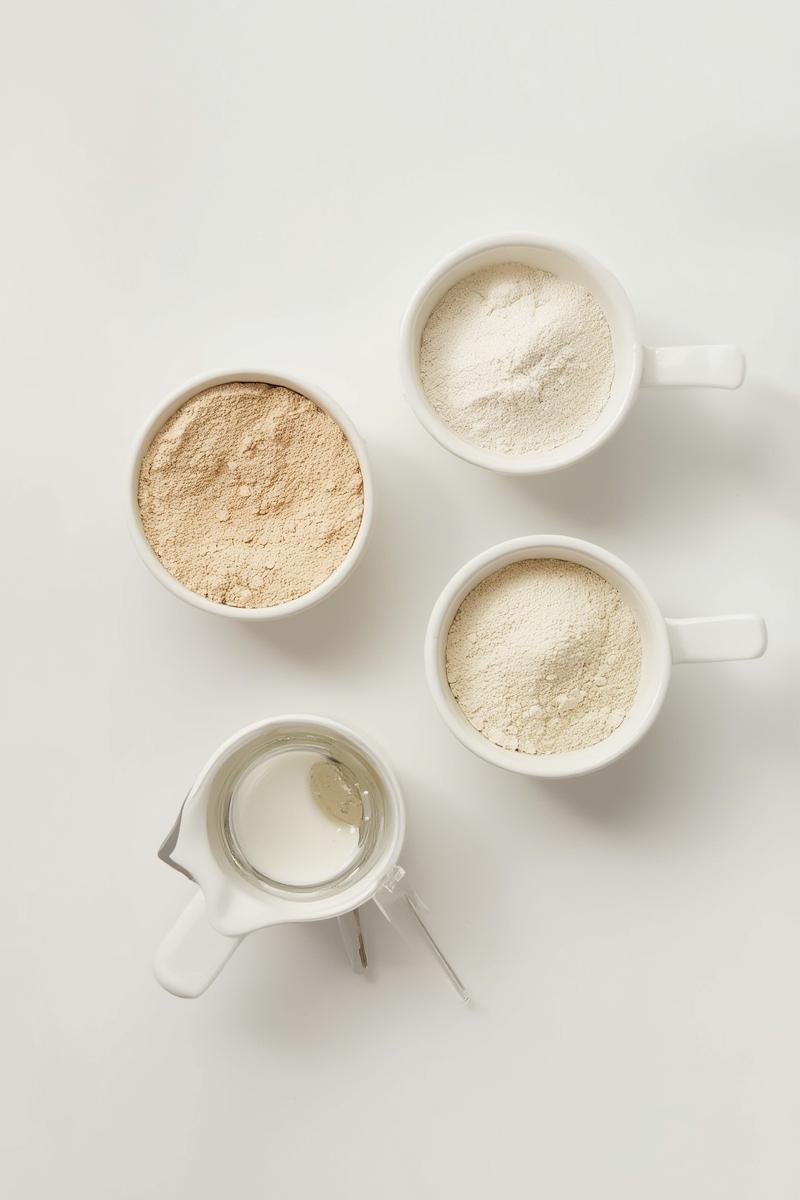
Gluten is a protein network that provides structure, elasticity, and moisture retention in traditional baked goods. When it’s absent, we rely on a blend of different gluten-free flours, each with its own characteristics. Some, like rice flour, can be quite drying, while others, like tapioca or sweet rice flour, lend chewiness and moisture. A single-ingredient GF flour often lacks the balance needed for a tender crumb.
Kitchen Reality Check: If your batter feels gritty or looks unusually thick, chances are your flour blend is too heavy on the starchy or drier flours. Don’t panic! It’s an easy fix once you know what to look for. Think of your flour blend as a symphony – each instrument (flour) plays a vital role, and getting the balance just right is key.
Overzealous Baking & Temperature Trouble
Overbaking is perhaps the most common culprit for dry muffins, gluten-free or not! Every extra minute in the oven draws out precious moisture. Additionally, an oven that runs too hot can set the crust too quickly, preventing the interior from cooking evenly and contributing to dryness. This is a common challenge I face myself, sometimes having to adjust my oven’s temperature slightly lower than a recipe calls for, or checking for doneness a few minutes earlier.
The Fat & Liquid Imbalance
Fats and liquids are the moisture heroes in any muffin recipe. Oils, butter, yogurt, milk, eggs, and fruit purees (like applesauce or mashed banana) all contribute to a tender, moist crumb. In gluten-free baking, we often need a slightly higher proportion of these ingredients to compensate for the lack of gluten’s moisture-holding capacity. If your recipe is light on these, your muffins will inevitably lean towards dry.
Sugar’s Role Beyond Sweetness
Sugar isn’t just for flavor; it’s also a humectant, meaning it attracts and holds moisture. In gluten-free baking, where moisture can be elusive, sugar plays an even more critical role in keeping things tender. Reducing sugar significantly without other adjustments can lead to a drier texture.
The Missing Link: Binders & Moisture Boosters
Without gluten, we need something to help bind the ingredients and prevent crumbling. Xanthan gum is the most popular binder, mimicking gluten’s elasticity. But beyond binders, certain ingredients can act as powerful moisture boosters. Think about adding a dollop of Greek yogurt, some pureed pumpkin, or even a couple of tablespoons of ground flaxseed soaked in water. These additions can transform your muffins! This is a technique I often use when adapting my recipes for a really good gluten-free cake recipe too!
Our Smartly Solutions: Bringing Back the Moisture
Now for the fun part – the ‘Smartly’ fixes that will make your gluten-free muffins wonderfully moist! These are the improvisational techniques I’ve refined in my own kitchen over countless batches.
The Flour Blend Fix: A Smartly Swap
Instead of relying on a single gluten-free flour, create or choose a balanced blend. A good rule of thumb for a homemade blend is roughly 60% whole-grain GF flour (like brown rice, oat, or sorghum) and 40% starchy GF flour (like tapioca, potato starch, or cornstarch). This balance gives you structure without excessive dryness.
Smartly Tip: If you’re using a pre-made “all-purpose” gluten-free blend, check its ingredients. If rice flour is the first ingredient, try swapping out 1/4 cup of that blend for a more moist flour like almond flour, oat flour, or even a touch of sweet rice flour. Your muffins will thank you!
Master the Moisture: Liquids & Fats
Don’t be afraid to add a little extra liquid, especially if your batter feels stiff. For every cup of gluten-free flour blend, you might need 2-4 tablespoons more liquid than a traditional recipe. This could be extra milk, water, or even a swirl of plant-based milk. For fats, opt for neutral oils (like canola or grapeseed), melted butter, or even a creamy nut butter.
Smartly Tip: Consider using ingredients that naturally boost moisture! A half cup of mashed banana, applesauce, or Greek yogurt can work wonders. If I’m looking for a morning treat that’s extra moist, sometimes I’ll even throw in a tablespoon or two of softened overnight oats. The additional hydration from the oats acts as a wonderful internal moisturizer!
Gentle Mixing & Perfect Portions
Overmixing gluten-free batter can incorporate too much air, leading to a tougher, drier crumb. Mix until just combined – a few lumps are perfectly fine! And resist the urge to fill your muffin tins to the brim. Filling them about two-thirds full allows for proper rising and even baking, preventing dry edges.
Baking Smart: Temperature & Time Tricks
Always preheat your oven properly and consider lowering the temperature by 25°F (about 15°C) from what a conventional recipe might suggest. This allows the muffins to bake through without drying out the exterior. Start checking for doneness a few minutes before the recipe states. A toothpick inserted into the center should come out with moist crumbs, not wet batter, and certainly not completely dry.
Smartly Tip: If you notice the tops browning too quickly, loosely tent your muffin tin with foil for the last 5-10 minutes of baking. This protects the crust while allowing the interior to finish cooking.
The Binder Boost: Xanthan & Beyond
If your recipe doesn’t call for it, add 1/2 teaspoon of xanthan gum per cup of gluten-free flour blend. It’s truly a game-changer for structure and elasticity. For a more natural binder, try a “flax egg” (1 tablespoon ground flaxseed mixed with 3 tablespoons water, let it sit for 5 minutes) or a tablespoon of psyllium husk powder mixed into your liquid ingredients. These binders create a gooey network that traps moisture. This is especially helpful if your flour blend is on the drier side, like those heavy in oat flour, as I found out when comparing overnight oats vs. quick oatmeal in various baking experiments.
Beyond the Bake: Preventing Future GF Muffin Fails
Once you’ve mastered these ‘Smartly’ fixes, let’s talk about habits that ensure ongoing gluten-free muffin success.
Precision is Key: Weigh Your Ingredients
Measuring gluten-free flours by volume can be highly inaccurate due to variations in how finely ground they are or how they’re scooped. For consistent results, invest in a kitchen scale and measure your flours, sugars, and even liquids by weight. It truly makes a world of difference!
Don’t Skip the Rest: Batter Hydration
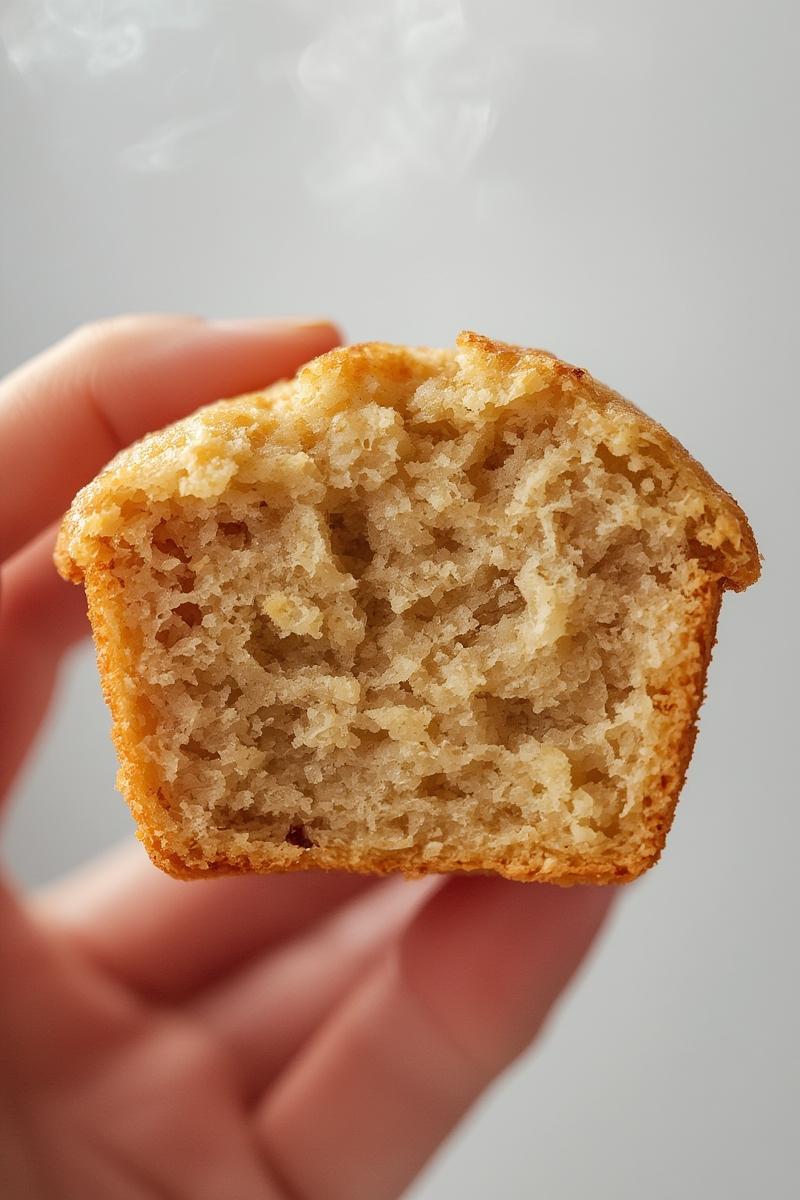
After mixing your gluten-free muffin batter, let it rest for 10-15 minutes before baking. This gives the flours time to fully hydrate and absorb the liquids, resulting in a more tender and less crumbly texture. It’s a small step that yields big rewards.
Smart Storage for Lasting Freshness
Once cooled, store your muffins in an airtight container at room temperature for up to 2-3 days. For longer storage, freeze them! Individually wrap cooled muffins in plastic wrap, then place them in a freezer-safe bag for up to 3 months. Thaw at room temperature or gently warm in the microwave.
Sustainability Tip: Use any leftover muffin crumbs to top yogurt parfaits or blend into smoothies for a delightful texture boost!
Embrace the Improv: Smartly Substitutions
Don’t worry if you’re missing an ingredient! Home cooking is all about adapting. No applesauce? Try pureed pears or a mashed sweet potato. Out of almond milk? Use any dairy or non-dairy milk you have. The joy of baking, especially gluten-free, comes from learning to improvise and make the recipe truly your own.
Your Moist Muffin Masterpiece Awaits
Baking moist, tender gluten-free muffins is absolutely within your reach. With these Smartly Recipes techniques, you’re not just baking; you’re becoming a more confident, intuitive baker. Each batch is a step closer to understanding the delightful nuances of gluten-free ingredients and making them work beautifully for you. I’m so excited for you to discover the joy of a perfectly moist gluten-free muffin! I’d love to know what ‘Smartly’ twist you added to make them your own – maybe a new fruit combo or an unexpected spice blend? Share your successes and experiments with our community!