
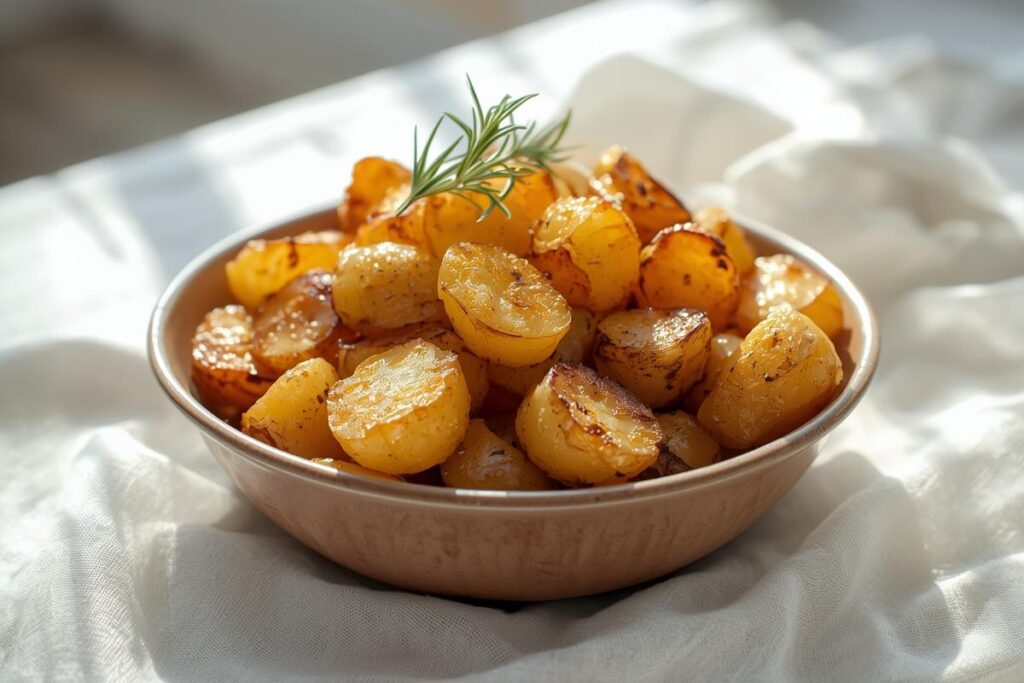
Achieving truly ultra-crispy roasted potatoes is a simple kitchen goal that often feels out of reach. Many home cooks struggle with potatoes that turn out more tender than crisp, lacking that satisfying golden crunch. This guide will reveal a singular, revolutionary technique to guarantee perfectly crispy roasted potatoes every single time, transforming your side dish game instantly.
The sound of a perfectly roasted potato hitting a plate, a gentle thud followed by the tell-tale crackle as you fork into its golden-brown skin, is pure kitchen poetry to me. I was recently at our local farmers’ market, admiring the piles of earthy potatoes – Yukon Golds, russets, even some vibrant purple ones – and it sparked a memory of my own quest for the ultimate crispy spud. It used to be a gamble, a hopeful toss of potatoes into the oven, fingers crossed for crispiness. But after many experiments, I stumbled upon a method so reliable, it feels like magic.
The Symphony of a Perfect Crunch
That first bite into a potato with a shatteringly crisp exterior, giving way to a fluffy, steamy interior, is one of life’s simple, profound pleasures. It’s the kind of side dish that steals the show, making every meal feel a little more special. For years, I chased that elusive crunch, trying different oils, temperatures, and potato varieties, often ending up with potatoes that were good, but never quite that good. This technique isn’t just a recipe; it’s a promise of potato perfection, whether you’re a seasoned chef or just starting your culinary journey.
The Pursuit of Perfection: Why Most Roasted Potatoes Fall Flat
The Sad Reality of Soggy Spuds
We’ve all been there: eagerly pulling a tray of roasted potatoes from the oven, only to find them soft, pale, and decidedly un-crispy. They taste fine, of course, because potatoes are inherently delicious, but they lack that textural contrast that elevates them from a mere side to a star attraction. It’s a common disappointment, especially when you’re hoping to impress at a dinner party or simply treat yourself to a delicious weeknight meal.
Common Culprits: Moisture, Overcrowding, Wrong Temp
The culprits behind soggy roasted potatoes are often surprisingly simple. Too much moisture on the potato surface is a primary offender, steaming them rather than browning them. Overcrowding the baking sheet also creates a steamy environment, preventing proper airflow and direct heat contact. And then there’s the temperature tango – too low, and they cook through before crisping; too high, and they burn before they’re tender inside. It’s a delicate balance, and without a specific strategy, it’s easy to miss the mark.
Kitchen Reality Check: What to Expect
Before we dive into the hack, let’s talk real kitchen talk. Your kitchen might get a little steamy, and your potatoes might look a bit… rustic. If the potatoes look shaggy and almost like they’re falling apart a little after their boil, don’t panic! This is exactly what we want. It means we’ve created maximum surface area for crisping. Embrace the beautiful mess, because it’s leading us straight to crispy triumph. Remember, even if the cake looks wonky, it’ll taste wonderful, and the same goes for these perfectly imperfect spuds!
The Game-Changing Technique: Our Crispy Potato Master Hack
This is it, my friends. The simple, yet profound, secret to roasted potato nirvana. It combines a few key steps that, when done together, create an unstoppable force of crispiness. Get ready to elevate your potato game forever!
Ingredients:
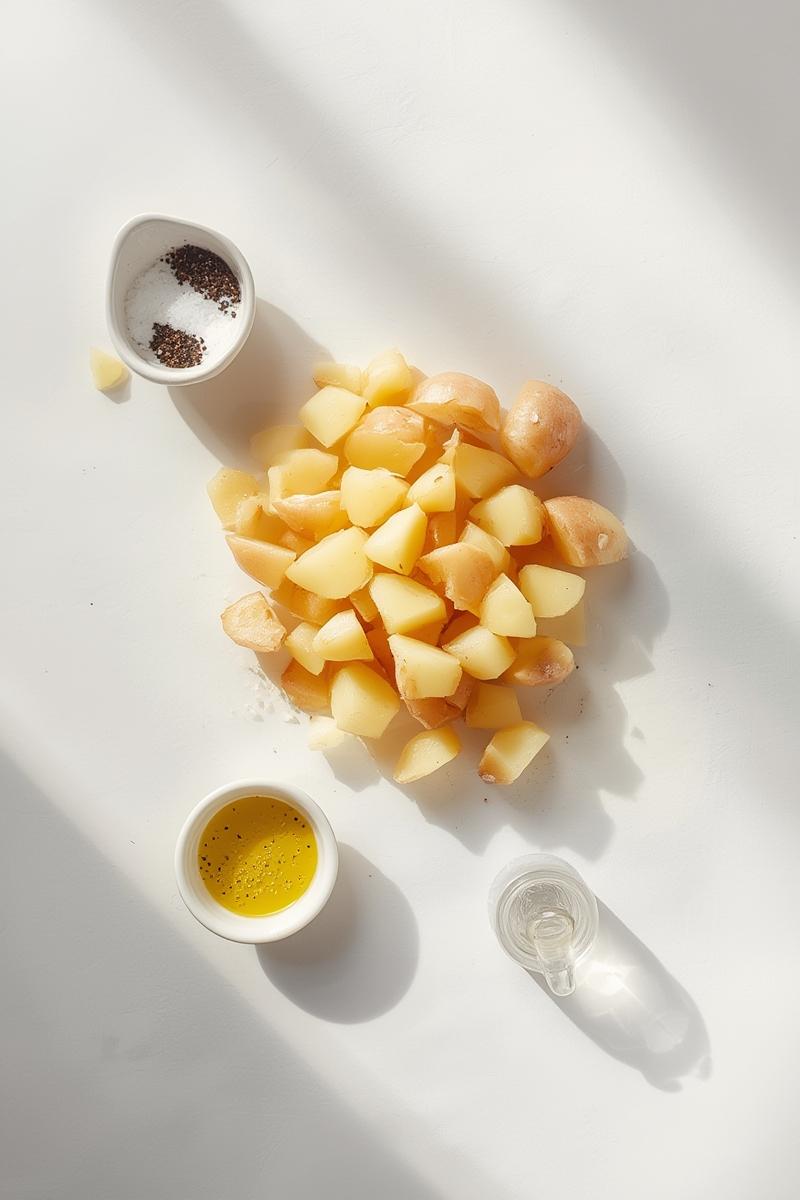
- 2 lbs (about 1 kg) Russet or Yukon Gold potatoes
- 1/4 cup olive oil (or avocado oil)
- 1 tsp salt
- 1/2 tsp black pepper
- Optional: 1 tsp dried rosemary or thyme, 2 cloves minced garlic
Market Notes:
When selecting your potatoes, look for heavy, firm russets or Yukon Golds. Russets tend to give the crispiest, fluffiest results due to their higher starch content, while Yukon Golds offer a lovely buttery flavor and a slightly creamier interior. Whichever you choose, avoid any with green spots or sprouting eyes!
Step 1: The Right Potato & The Rough Chop
Start with starchy potatoes like Russets or Yukon Golds. Peel them if you like, but I often leave the skins on for extra texture and nutrients – just give them a good scrub! Cut your potatoes into roughly 1-inch pieces. Don’t worry about perfect uniformity; in fact, a slightly rough, irregular chop is your friend here. More jagged edges mean more surface area for crisping.
Step 2: The Starch-Busting Boil
Place your chopped potatoes in a large pot and cover them with cold water by about an inch. Add a generous pinch of salt to the water. Bring the water to a rolling boil and cook the potatoes for about 8-10 minutes, or until they are tender when pierced with a fork but not falling apart. They should still have a little resistance. This par-boiling step is crucial; it starts the gelatinization of the starches, preparing them for extreme crisping.
Step 3: The Fluff & Tumble for Max Surface Area
Drain the potatoes thoroughly in a colander. This is where the magic really starts to happen! Return the drained potatoes to the empty, hot pot. Cover the pot with a lid and shake it vigorously for about 30 seconds. You want to rough up the edges of the potatoes, creating a fluffy, almost mashed exterior. This dramatically increases the surface area for oil to cling to and crisp up. You’ll hear them rattling around, creating those beautiful, craggy edges.
Step 4: Oil, Seasoning, and Strategic Spacing
Pour the olive oil over the fluffed potatoes in the pot. Add your salt, pepper, and any optional herbs like dried rosemary or thyme. Toss everything gently but thoroughly to coat the potatoes evenly. The rough edges will grab onto that oil beautifully. Now, preheat your oven to a blazing 425°F (220°C). Arrange the potatoes in a single layer on a large baking sheet. Crucially, do not overcrowd the pan! Give each potato piece its space to breathe. If you’re making a big batch, use two baking sheets. Crowding means steaming, and we’re after crisping!
Step 5: High Heat, Patience, and the Final Flip
Roast the potatoes for 20 minutes, then flip them over using a spatula. You should see some golden-brown spots already forming. Continue roasting for another 20-30 minutes, or until they are deeply golden brown and gloriously crispy on all sides. You might hear them crackling gently in the oven, a symphony of crispiness forming. The total roasting time might vary slightly depending on your oven and potato size, so keep an eye on them. When they emerge, they should smell incredibly inviting, nutty and deeply savory.
Beyond the Surface: The Science Behind the Unbeatable Crunch
Understanding the “why” behind the technique makes it even more satisfying! It’s not just random steps; there’s some fascinating kitchen science at play.
Gelatinization & Starch Structure
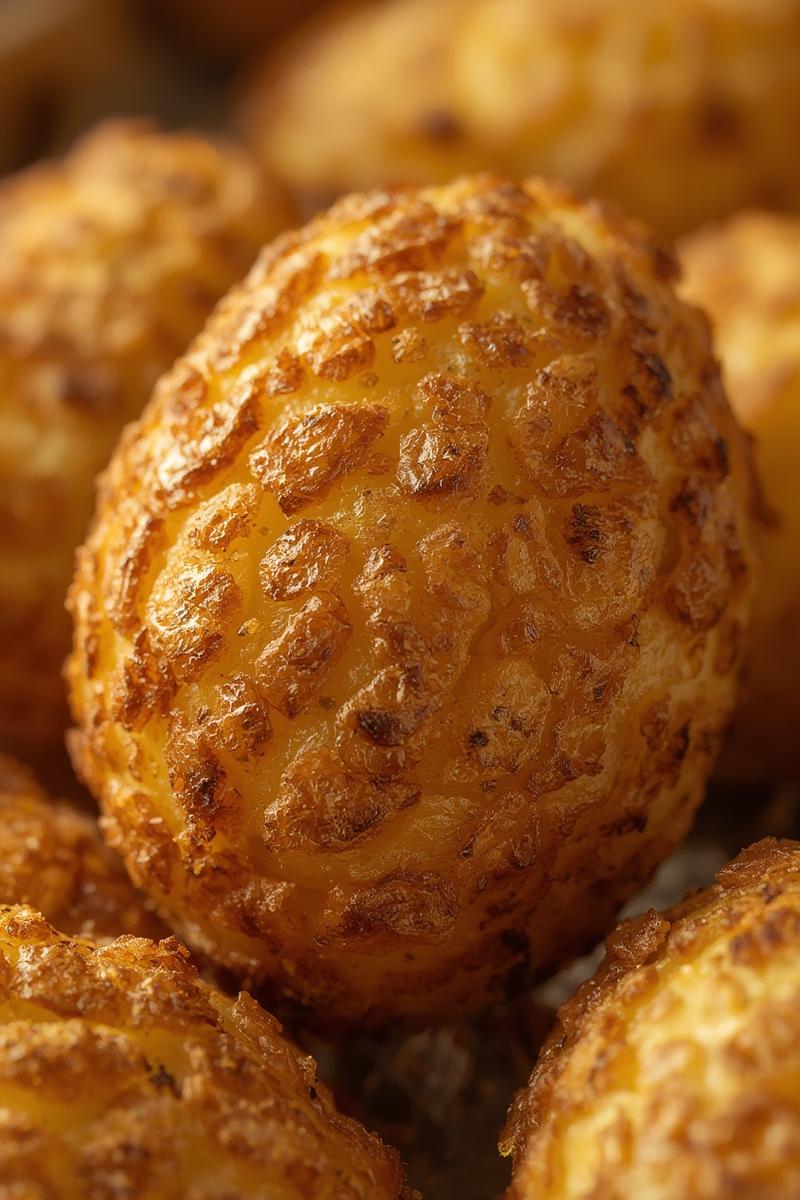
The par-boiling step is vital because it initiates starch gelatinization. The heat and water cause the starch granules in the potato to swell and burst, releasing starches onto the potato’s surface. This creates a sticky, starchy layer that, once roughed up in the shaking process, forms a perfect canvas for crisping.
Evaporation & The Maillard Reaction
Once those starchy surfaces are exposed to high heat in the oven, the residual moisture evaporates quickly. This allows the Maillard reaction – the chemical reaction between amino acids and reducing sugars – to kick into high gear. This reaction is responsible for the beautiful browning, the nutty aromas, and the complex, savory flavors that make roasted food so delicious. The increased surface area from our “fluff and tumble” step provides more sites for this reaction to occur, leading to maximum crispiness.
Fat Transfer for Golden Goodness
The olive oil doesn’t just prevent sticking; it plays a critical role in heat transfer and flavor. Oil conducts heat much more efficiently than air, ensuring the potato surfaces get incredibly hot, promoting rapid browning and crisping. It also contributes to the golden color and adds a lovely richness to the final product.
Elevate Your Spuds: Flavor Variations & Serving Suggestions
Once you’ve mastered the basic hack, the world of flavor is your oyster! These potatoes are fantastic on their own, but they also love a good dressing up.
Herby & Garlic Infusions
Before roasting, toss your potatoes with finely minced garlic and fresh herbs like rosemary, thyme, or oregano. You can even add a sprinkle of smoked paprika for an extra layer of flavor. For a brighter finish, toss with fresh parsley after roasting.
Spicy Kicks & Smoky Notes
Craving a little heat? Add a pinch of red pepper flakes or a dash of cayenne pepper when seasoning. Smoked paprika also lends a beautiful smoky depth that pairs wonderfully with potatoes.
Perfect Pairings for Any Meal
These ultra-crispy potatoes are incredibly versatile. They’re a dream alongside a succulent roast chicken (if you ever find your chicken a bit dry, check out our tips on how to rescue dry or overcooked chicken!). They also make a fantastic breakfast side with eggs, or a hearty accompaniment to our sticky beef noodles. For something lighter, pair them with a fresh salad or a simple piece of pan-seared fish. I even love them with a side of cottage cheese, which reminds me, have you tried our healthy no-churn cottage cheese ice cream? It’s surprisingly good!
Troubleshooting Your Way to Triumph
“Still Not Crispy Enough?” (Common Pitfalls Revisited)
If your potatoes aren’t as crispy as you’d hoped, double-check these points: Did you thoroughly dry and “fluff” them after boiling? Was the baking sheet overcrowded? Did you use enough oil? And was your oven truly hot enough? Sometimes ovens run a little cooler than they say, so a cheap oven thermometer can be a game-changer. Don’t be afraid to give them a few extra minutes, watching closely.
Avoiding Burnt Bits: Heat Management
While we want high heat, we don’t want burnt potatoes! If you notice some smaller pieces browning too quickly, you can remove them earlier or gently push them to the cooler edges of the pan. Uniform cutting helps ensure even cooking, but a little variation is fine. Just keep an eye on your spuds, trusting your senses – when they smell done and look golden, they probably are!
Conclusion: Your Crispy Potato Journey Begins Now!
This simple hack, combining strategic par-boiling and vigorous fluffing, truly is the secret weapon for ultra-crispy roasted potatoes. It’s a technique that feels a bit unconventional at first, but the results speak for themselves. I encourage you to embrace the process, make a delightful mess, and enjoy the incredible payoff. Your potato game will be forever changed!
Now that you have this crispy secret, I’d love to know what seasoning twists you’ll be adding to your next batch of perfect roasted potatoes!
Sustainability Tip: Don’t toss those potato peels if you’ve decided to peel your spuds! Roast them separately with a little oil and salt for delicious, crunchy potato skin crisps.