
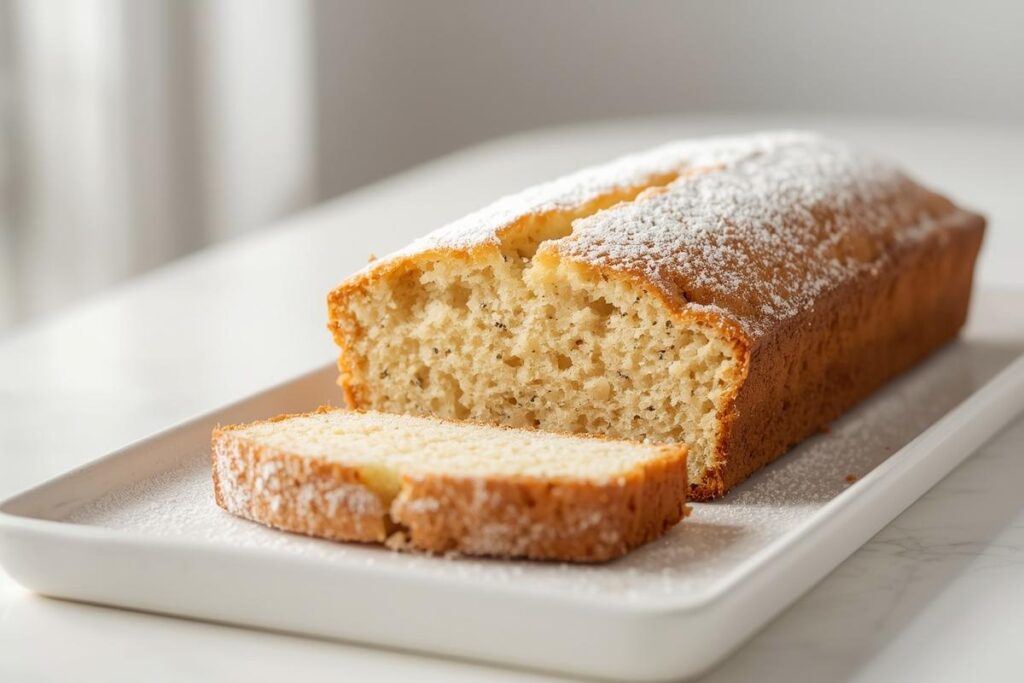
Navigating the world of gluten-free baking and cooking can often feel like deciphering a secret code, leading to frustratingly crumbly cookies or disappointingly gummy cakes. This guide unravels the mysteries of gluten-free flours, equipping you with the knowledge to confidently adapt any recipe, achieve consistent success, and create delicious meals every time.
Table of Contents
I remember a rather dramatic pancake morning. I’d confidently swapped out my usual all-purpose flour for a single-ingredient gluten-free option, thinking it would be a simple one-to-one exchange. The batter, usually a smooth river of bubbles, was like a thick, lumpy swamp. The resulting pancakes? More akin to brittle, flavorless crackers than fluffy breakfast delights. My sweet partner, bless his heart, tried to eat one with a brave smile before politely suggesting we switch to oatmeal. That day taught me a valuable lesson: gluten-free cooking isn’t just about swapping out one bag for another; it’s about understanding the unique personalities of each flour and how they play together. It’s an adventure, sometimes a messy one, but always leading to delicious discoveries!
The GF Kitchen Conundrum: From Crumbles to Confidence
The transition to gluten-free cooking often presents a steep learning curve. The absence of gluten, that wonderful protein network responsible for elasticity and structure in traditional baked goods, changes everything about how ingredients behave. It’s why your beloved bread might crumble, your cookies spread too thin, or your sauces refuse to thicken.
The Ghost of Gluten Past: Why GF Doughs Behave Differently
Gluten is like the microscopic scaffolding of your favorite breads and pastries, providing elasticity, chew, and that satisfying springiness. Without it, doughs don’t rise in the same way, and baked goods can become dense, dry, or fall apart easily. Understanding this fundamental difference is the first step toward mastering gluten-free creations. It’s not about replicating gluten perfectly, but about using a diverse team of gluten-free flours to build structure, tenderness, and flavor in new ways.
Beyond the Bag: What ‘Gluten-Free Flour’ Really Means
When a recipe simply calls for “gluten-free flour,” it’s often a bit of a mystery. Most successful gluten-free cooking relies on a blend of different flours, each bringing its own strengths to the table. Some offer structure, others provide tenderness, and still others contribute to a desired texture or subtle flavor. Thinking of your GF pantry as a vibrant palette of ingredients, rather than a single solution, unlocks endless possibilities.
Kitchen Reality Check: Don’t Panic!
If your first few attempts at gluten-free baking don’t come out perfectly, please don’t fret! We’ve all been there. My pancake fiasco was just one of many. Expect some experiments to be a little crumbly, a little dense, or maybe just a bit ‘different.’ Embrace these moments as learning opportunities. Every kitchen mishap is just a step closer to understanding your ingredients and finding your own perfect rhythm. The goal isn’t perfection from day one, but progress and plenty of tasty, even if wonky, results!
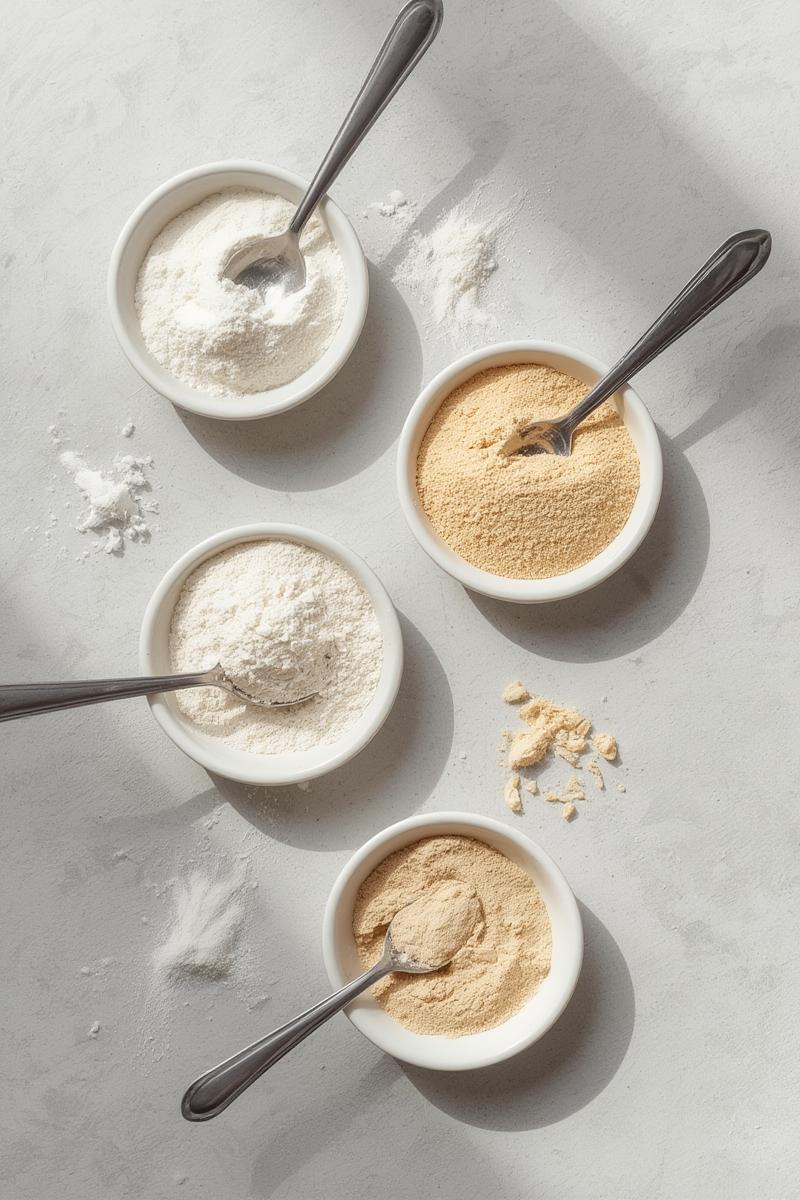
Your GF Flour Field Guide: Strengths & Superpowers
Let’s dive into the individual personalities of common gluten-free flours, understanding their unique contributions to your culinary adventures.
The Base Builders: Rice (White, Brown, Sweet), Sorghum, Millet
- White Rice Flour: Neutral in flavor, fine texture. Excellent for general baking, thickening sauces, and light dredging. It can be a bit ‘sandy’ on its own, so best in blends.
- Brown Rice Flour: A little nuttier in flavor, coarser texture than white rice flour. Adds more nutrition and a pleasant chew. Great in rustic breads and cookies.
- Sweet Rice Flour (Mochiko): Don’t let the name fool you, it’s not sweet! This flour is super sticky and offers incredible binding power and chewiness. Fantastic for mochi, dumplings, and adding elasticity to baked goods.
- Sorghum Flour: Mild, slightly sweet flavor. Soft, fine texture. It’s a fantastic all-around flour that provides a tender crumb in baked goods and can stand in for wheat flour in many savory applications.
- Millet Flour: A hearty, slightly sweet and nutty flavor. Adds a lovely golden color and tenderness. Works well in flatbreads, muffins, and a portion of bread blends.
The Binders & Boosters: Tapioca, Arrowroot, Potato Starch
- Tapioca Starch (or Flour): Made from cassava root, it’s a fantastic binder and adds chewiness. Great for thickening sauces, creating crispy coatings, and adding elasticity to bread. Also perfect for getting a lovely crunch on your pan-seared salmon!
- Arrowroot Starch: A neutral, thickening powerhouse. Excellent for clear sauces, gravies, and fruit pie fillings. It stands up to acidic ingredients better than cornstarch and creates a glossy finish.
- Potato Starch: A very fine, white powder that provides lightness and tenderness to baked goods. It’s a superb thickener for gravies and soups, much like cornstarch.
The Nutrient Powerhouses: Almond, Coconut, Oat (Certified GF)
- Almond Flour: Rich, nutty flavor and a tender crumb. High in protein and healthy fats. Best for moist cakes, muffins, and cookies. Use it in smaller quantities as it can make things too dense.
- Coconut Flour: Highly absorbent with a distinct coconut flavor. It’s very high in fiber. Use it sparingly, as it can dry out baked goods if not balanced with enough liquid and eggs.
- Oat Flour (Certified GF): Has a wonderfully wholesome, slightly sweet flavor. Adds moisture and a chewy texture. Ensure it’s certified gluten-free to avoid cross-contamination for those with celiac disease. Great in muffins, cookies, and pancakes.
The Texture Tamers: Buckwheat, Teff, Chickpea (Garbanzo Bean)
- Buckwheat Flour: Despite the name, it’s not related to wheat! It has a distinctive earthy, robust flavor. Fantastic for blinis, crepes, and hearty breads. Adds a wonderful depth of flavor.
- Teff Flour: A tiny, ancient grain with a slightly malty, earthy flavor. High in protein and iron. Excellent for injera (Ethiopian flatbread), and adds a lovely chew and moisture to baked goods.
- Chickpea Flour (Garbanzo Bean Flour): Nutty, slightly bitter flavor. High in protein and fiber. Great for savory applications like Indian pakoras, flatbreads (socca), or as an egg substitute in vegan recipes.
The Blending Blueprint: Crafting Your Perfect GF Mix
The secret to successful gluten-free cooking often lies in creating your own custom flour blends, tailored to what you’re making.
The Golden Ratio: Balancing Grains, Starches, & Proteins
A good starting point for a versatile all-purpose gluten-free flour blend is a ratio of roughly 60% ‘base’ flours (like rice, sorghum, millet), 30% ‘starch’ (tapioca, potato, arrowroot), and 10% ‘protein/flavor’ flour (almond, oat, chickpea). This balance gives you structure, tenderness, and pliability.
- Example All-Purpose Blend: 2 cups brown rice flour + 1 cup tapioca starch + 1 cup sorghum flour + 1/2 cup almond flour. Mix well and store in an airtight container. This works wonders for everyday baking!
Xanthan Gum & Friends: Your GF Glue Explained (and when to use it)
Xanthan gum is often the unsung hero of gluten-free baking. It mimics the elasticity of gluten, preventing crumbling and adding structure. Use it sparingly, typically 1/4 to 1/2 teaspoon per cup of gluten-free flour blend for most baked goods. For a chewier texture like bread, you might go up to 3/4 teaspoon. Too much, however, can result in a gummy texture. Psyllium husk powder is another fantastic binder, offering a more bread-like elasticity and often used in yeast breads.
All-Purpose GF Blends: When to Buy vs. When to DIY
Pre-made all-purpose gluten-free blends are fantastic for convenience, especially when you’re just starting out or short on time. They often contain xanthan gum already. However, making your own allows for customization, fresh ingredients, and can be more cost-effective in the long run. Plus, it empowers you to adjust for specific recipes – a lighter blend for delicate cakes, or a heartier one for rustic loaves.
Tailoring Your Blend: Savory vs. Sweet Applications
Think about the end goal: a crispy coating versus a tender muffin.
- For Crispy Fried Goodies: A blend heavy on tapioca starch and rice flour works wonders. Imagine dredging chicken or vegetables for a perfect, airy crisp. This is similar to what you might want for a perfectly crunchy exterior on a speedy salmon fillet.
- For Tender Muffins or Cakes: A higher proportion of sorghum, millet, and a touch of potato starch, with a smaller amount of tapioca, will yield a soft, moist crumb. Adding almond or oat flour here can also enhance flavor and texture.
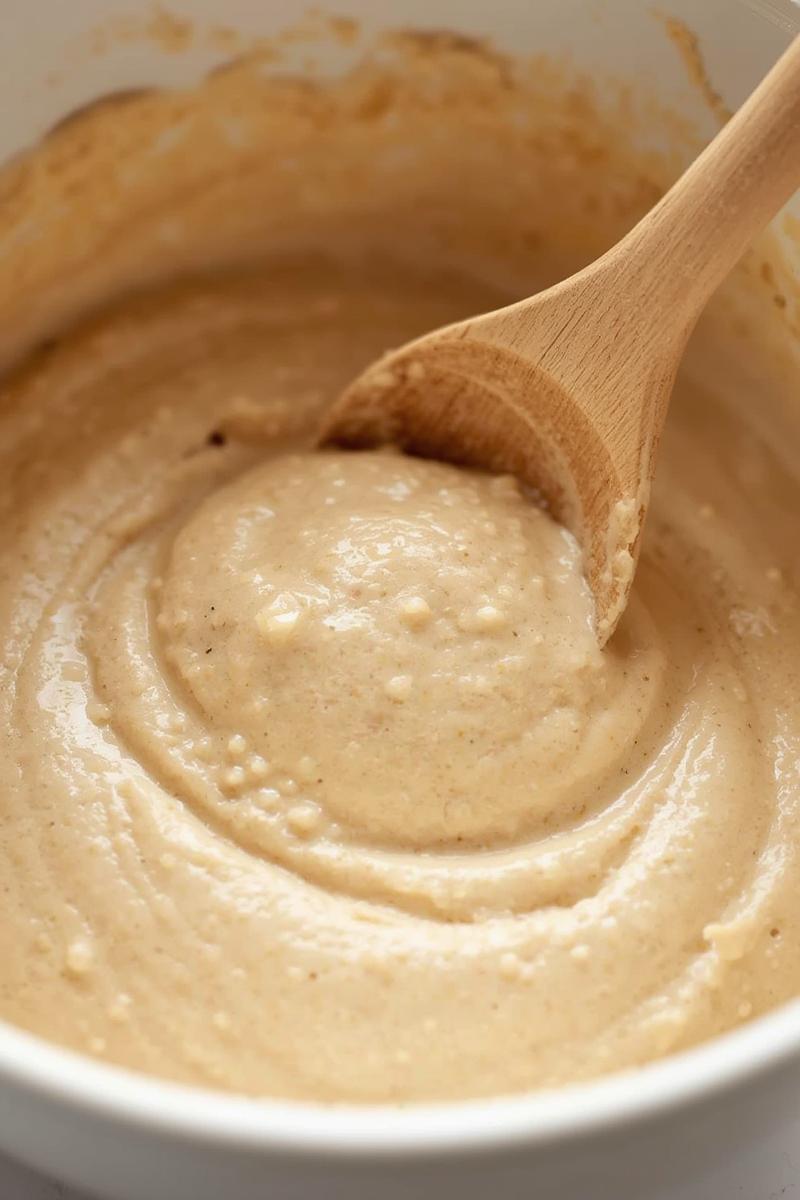
Seamless Swaps: Adapting Any Recipe with Confidence
This is where the real fun begins – taking your cherished family recipes and giving them a gluten-free makeover!
One-to-One Replacements: The Simple Swaps That Work (and those that don’t)
While some recipes might tolerate a simple 1:1 swap with an all-purpose GF blend, many won’t. If you’re adapting a recipe, assume you’ll need a bit more finesse. Recipes with minimal flour (like some cookies or quick breads) might fare better with a straightforward swap. Complex, yeasted breads, however, will require a carefully balanced blend and often additional binders.
Adjusting Liquids & Fats: The GF Absorption Factor
Gluten-free flours absorb liquids differently than wheat flour, often requiring more moisture. Start by adding about 10-20% more liquid than the original recipe calls for, observing the dough’s consistency, and adding more if it still seems too dry or crumbly. Sometimes, a touch more fat (butter, oil) can also help with moisture and tenderness. My trick? I always have a little extra milk or water nearby when mixing GF doughs, ready to add a tablespoon at a time until the texture feels right.
Enhancing Texture & Flavor: Secret Ingredients for Success
Beyond flour, a few extra ingredients can elevate your GF creations:
- Apple Cider Vinegar or Lemon Juice: A little acidity can help activate baking soda and tenderize the crumb.
- Psyllium Husk Powder: An excellent binder for breads, creating a more elastic, chewy texture that can mimic gluten incredibly well. Start with a teaspoon or two per cup of flour blend for yeasted recipes.
- Extra Eggs/Egg Yolks: Can add richness, moisture, and binding power.
Beyond Baking: GF Flours for Sauces, Gravies, & Crispy Coatings
Gluten-free flours aren’t just for cakes! They are invaluable in savory cooking:
- Thickening Sauces: Tapioca, arrowroot, or potato starch are brilliant for creating smooth, clear sauces without the cloudiness of wheat flour. They are perfect for thickening gravies or enriching the sauce in a hearty dish like a cheesy ground beef potato casserole or a delicious batch of beef and broccoli lo mein.
- Crispy Coatings: A mix of rice flour and tapioca starch creates an incredibly light and crispy coating for frying vegetables, chicken, or fish.
- Dredging: Plain rice flour or a simple GF all-purpose blend can be used to dredge meats or vegetables before searing, adding a subtle crust and helping with browning.
Troubleshooting & Triumphs: Your GF Success Toolkit
Every cook faces challenges; here are solutions to common gluten-free dilemmas.
Why is My GF Bake Crumbly, Gummy, or Dense? (Common fixes)
- Crumbly: Likely not enough binder (xanthan gum, psyllium husk, sweet rice flour) or not enough liquid/fat. Increase liquid or binder slightly next time.
- Gummy: Too much starch or too much xanthan gum. Reduce the starch component in your blend or dial back the xanthan gum.
- Dense: Often due to a lack of leavening (baking powder/soda), too heavy a flour blend, or over-mixing (which can develop starches too much). Ensure leavening is fresh and blend is balanced.
Achieving the Perfect Crust: Browning & Texture Tips
Gluten-free baked goods can sometimes struggle to brown. Adding a touch of sugar (if appropriate for the recipe), using egg washes, or baking for slightly longer at a lower temperature can help achieve that beautiful golden crust. For crispiness in savory dishes, ensure your oil is hot enough and don’t overcrowd the pan.
Storage Secrets: Keeping Your GF Flours Fresh & Flavorful
Many gluten-free flours, especially those with higher fat content like almond or oat, can go rancid more quickly than wheat flour. Store them in airtight containers in a cool, dark pantry. For longer storage, especially for larger quantities, the refrigerator or freezer is your best friend. Always give them a sniff before using!
The Essential GF Pantry Checklist for Confident Cooking
Start with these staples, and you’ll be ready for most recipes:
- White Rice Flour
- Brown Rice Flour
- Tapioca Starch
- Sorghum Flour
- Xanthan Gum
- Almond Flour
- Certified GF Oat Flour
- Potato Starch or Arrowroot Powder
- Psyllium Husk Powder (for bread)
Embrace the GF Adventure: Unleash Your Inner Baker & Cook
Your Journey to Confident GF Creations
Stepping into gluten-free cooking is not about limitations; it’s an invitation to explore a vibrant world of grains, starches, and flavors you might never have encountered otherwise. Each success, and even each little learning curve, builds your confidence and expands your culinary repertoire. My once-disastrous pancakes have since evolved into perfectly fluffy, golden disks thanks to a balanced blend and a dash of sweet rice flour, proving that patience and curiosity pay off!
Resources for Continued Exploration & Inspiration
Don’t be afraid to experiment, taste, and adjust. Look for inspiration at your local farmers’ market – the colors and aromas of fresh, seasonal produce often spark new ideas for gluten-free dishes. Follow food blogs, check out cookbooks focused on specific gluten-free cuisines, and join online communities. The world of gluten-free cooking is rich with possibilities, and your kitchen is the perfect laboratory.
Using vegetable scraps and leftover flour blends to create a hearty broth or thickener for soups is a fantastic way to minimize waste and maximize flavor in your gluten-free kitchen.
Now that you’re armed with your gluten-free flour playbook, I’m so excited to hear about the delicious creations you whip up. Did you discover a new favorite blend for your muffins, or perhaps give a classic family recipe a wonderful gluten-free twist? I’d love to know what magic you create!